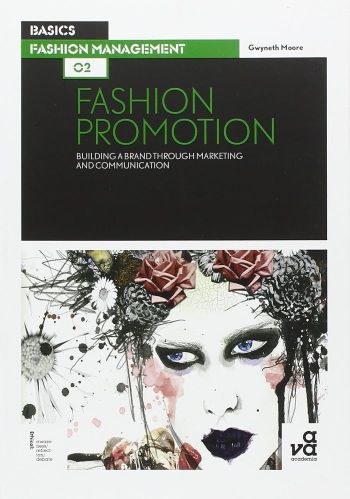
Basics Fashion Management 02: Fashion Promotion – A Comprehensive Summary
Top 10 Lessons for Students and Professionals
- Brand identity transcends visual elements – Successful fashion brands develop comprehensive identities encompassing personality, values, heritage, and consistent storytelling across all touchpoints, not just logos and visual design.
- Digital channels democratize fashion promotion – The Internet and social media have leveled the playing field, enabling small brands with good content and clear vision to compete with larger, better-funded organizations.
- Consumer expectations have fundamentally shifted – Modern consumers demand personalized engagement, transparent communication, ethical practices, and multi-channel experiences, requiring brands to be responsive and customer-centric.
- Research and trend forecasting are essential investments – Understanding consumer behavior, market conditions, and emerging trends through professional research services or thorough in-house analysis is crucial for brand relevance and longevity.
- Multi-channel marketing is now mandatory, not optional – Successful brands engage customers through diverse channels including physical retail, e-commerce, social media, traditional advertising, and experiential marketing, maintaining consistency across all platforms.
- Authenticity and ethical positioning matter increasingly – Consumers expect brands to demonstrate genuine commitment to sustainability, fair labor practices, and social responsibility, with consistency between stated values and actual practices being crucial for maintaining brand equity.
- Relationships remain the currency of fashion PR – Building and maintaining strong relationships with media, influencers, bloggers, and industry stakeholders is fundamental to achieving media coverage, brand visibility, and market credibility.
- Visual storytelling defines brand perception – Quality photography, styling, video, and design are not luxuries but necessities for communicating brand vision, creating aspirational associations, and differentiating from competitors in crowded markets.
- Citizen journalism and influencer voices reshape influence structures – Traditional media gatekeepers no longer exclusively control fashion discourse; brands must engage authentically with bloggers, social media influencers, and independent content creators who command significant audience attention and trust.
- Strategic collaboration expands brand potential – Partnerships with other industries, celebrities, and complementary brands create opportunities for innovation, audience expansion, and enhanced credibility when approached with clear strategy, aligned values, and mutual benefit.
Introduction
Fashion promotion has evolved into a dynamic, multi-faceted industry driven by the explosion of social and digital media platforms. The book examines how fashion brands navigate an increasingly complex communications landscape where traditional print advertising revenues decline, magazines cease publication, and citizen journalism reshapes the industry. Consumer knowledge about fashion and manufacturing has expanded significantly, enabling small designers and retailers to compete with established organizations on a more level playing field.
The text explores how fashion brands reach consumers and make their designs, products, and services available to relevant audiences. It covers the opportunities afforded by online platforms, the crucial role of visual brand representation, fashion illustration, photography, video production, and the focused work of fashion PR and media relations. Collaboration emerges as a defining characteristic of twenty-first-century fashion, with the book examining various partnership approaches benefiting brands large and small. Throughout, the evolution toward customer-centric, personalized information provision and purchasing opportunities remains central, alongside predictions for future promotional developments.
Chapter 1: Industry and Context
Brand Building
• Brand identity extends far beyond logos – A strong brand identity encompasses the company’s personality, what it represents to customers, its heritage, history, luxury positioning, lifestyle associations, and celebrity endorsements. Without a compelling brand story explaining why it exists, effective promotion becomes nearly impossible.
The fashion industry operates at tremendous speed, consuming new ideas and trends rapidly. What’s fashionable one day can become passé the next, making it vital for brands to stay ahead of changes and successfully communicate their ideas to build loyal customer followings. Building a strong identity allows brands to present clear concepts of what they’re selling, the ethos behind it, underlying principles, and the sales approach—all creating a background that depicts what the brand stands for and why customers should invest in it.
• Quality design alone is insufficient – Without brand name, identity, value, and equity, customers struggle to locate brands and understand what’s being sold. Many mistakenly believe brands are only about logos and visual identity, but successful brands incorporate much more, including references to heritage, luxury positioning, lifestyle associations, and celebrity endorsement.
Brand identity should be built around several elements: the reasons for the brand’s development, what target audiences seek (determined through market research), how products or services are devised and made available, and ultimately what the brand wants to be “famous” for. The brand must matter to consumers, who gather information from multiple sources including visual identity, stores, clothing, and all elements the company presents.
• Consistency across all touchpoints is essential – High-street retailers like Topshop and H&M demonstrate how brands must present each element consistently across all customer contact points, from shop windows to store interiors and web presence. These brands understand the need to appeal to consumers on multiple levels while ensuring all brand elements complement each other.
Topshop exemplifies this through its stores, website, products, advertisements, blogs, fashion week presence, online campaigns, Twitter activity, and collaborations—all combining to build a clear picture of what the brand stands for, believes, and strives to create. It’s insufficient to simply create great fashion; brands must create complete stories behind their ideas so consumers can both differentiate them from competition and feel affinity with them.
The Shifting Communications Landscape
• Information overload challenges brand visibility – At a time when information bombards consumers constantly, brands face increasing difficulty being heard above the noise. A century ago, consumers primarily bought from local suppliers and knew only a handful of international brands. Television and radio development brought new advertising forms, but the Internet has brought the most significant shift in how we consume brand information and are influenced by them.
Digital channels and social media have revolutionized information availability and sharing capabilities. Consumers no longer necessarily believe everything brands tell them, instead demanding more information and expecting almost one-to-one engagement. They now prioritize online word-of-mouth feedback over traditional sales approaches, with information traveling at dramatically increased speeds through personal communication channels before official releases.
• Social networking transforms brand engagement – According to comScore research, 64.2 million US smartphone users accessed social networking sites or blogs on mobile devices in December 2011, with over half accessing social media almost daily. Mobile social networking users showed high propensity to read posts from people they knew personally, but more than half also reported reading posts from brands, organizations, and events.
The fast-moving fashion industry, with its need to share ideas and imagery, engage customers emotionally, and stay ahead of trends, has embraced this new communication age enthusiastically. Before the digital revolution, new fashion brands followed traditional routes: developing labels and brands based on designer vision, creating visuals or marketing materials, exhibiting at fashion weeks, hiring PR agencies, meeting press and buyers, and building profiles gradually.
• Digital democratization enables smaller brands – Now, lookbooks, brochures, press information, and imagery are typically accessible in one location—the website. Fashion week exhibitions can be viewed globally online via live streaming. While PR agencies may still be engaged for experience and media contacts, designers can equally engage with influential bloggers and websites. E-commerce websites enable direct public sales, or collaboration with existing online retailers can introduce labels to larger markets.
Real-time digital communication enables instant customer contact and feedback, allowing brands to quickly inform people about activities and timing. This power enables the smallest brands to compete somewhat with much larger ones. If designers excel at creating brands and communicating what they stand for and offer, their impact can reach far and wide, creating a more level playing field where Internet access, good content, something to say, and good products enable competition with bigger-budget brands.
Global Market Changes
• Luxury brands expand market reach – Luxury labels, once the preserve of the rich and famous, have begun capitalizing on wider market share, reaching much broader audiences. Previously struggling to compete with high-street brands on turnover and market visibility, luxury brands launched accessory ranges, cosmetics, perfumes, and more affordable diffusion labels retaining brand essence while catering to wider audiences.
These more accessible but aspirational luxury products have attracted fan followings. While some argue they’ve compromised brand exclusivity, they’ve undoubtedly impacted turnover positively. LVMH Group, currently the world’s largest luxury brand owner, has seen significant recent growth, as have rivals like Burberry. Emerging markets in Asia, particularly China, have helped luxury brands increase market share as the desire to own pieces from Chanel, Hermès, or Lanvin remains strong globally.
• Social consciousness shapes industry practices – Coverage of poor working conditions in third-world sweatshops has impacted how consumers perceive fashion brands. Increased awareness of how people in other countries live and work has forced some brands to improve practices when commissioning cheap labor for manufacturing. Soaring cotton prices have also affected clothing production costs, with many retailers predicting fashion goods price rises.
This can be seen positively, potentially leading to overall garment production quality improvements. The age of throw-away, cheap fashion may never completely disappear, but through combined increased social conscience, greater environmental awareness, and closer consumer-brand connections, we may see a more evolved industry placing higher value on quality over quantity.
The New Fashion Consumer
• Instant access transforms shopping behavior – Twenty-first-century fashion consumers have more information at their fingertips than previous generations. If consumers want to buy fashion, they can instantly source exactly what they’re seeking online, anytime day or night. They can see latest trends and global influences and share findings with friends and contacts.
Many online fashion retailers provide 24-hour delivery, but recently same-day delivery services have become available in some cities, allowing consumers to receive purchased items within hours. Global brands have provided their own online stores for some time, but new e-commerce sites like farfetch.com provide access to stock from small boutiques worldwide, allowing customers to buy from one central location while taking advantage of differing exchange rates.
• Multi-channel expectations demand brand adaptation – As fashion consumers are increasingly bombarded with information from brands vying for attention, they’re becoming more adept at filtering information and researching what they seek. For fashion brands, there’s pressure to provide the right information in the right format at the right time for the right audience.
Brands now create their own content, with many brand websites becoming editorially focused or portals for developing communities engaging customers on multiple levels. This includes creating trend and style advice editorial sections, competitions, online communities encouraging shopper input and feedback, blogger collaborations, and much more. Style Insider for River Island exemplifies one high-street brand creating magazine-style fashion and news content to help sell brands in new formats.
• Physical retail remains relevant – Despite online developments, many retailers agree fashion will continue being supplied through multiple channels—department stores, high-street outlets, boutiques, discount outlets, dedicated online sites, collaborative online offerings, and supermarkets. The physical shopping experience will remain important and irreplaceable for many consumers.
Traditional “bricks and mortar” retail outlets will need to develop to compete with online channels by providing higher customer service levels along with increased in-store product and purchasing information. The consumer decision to buy is influenced by many factors, not least because there are now so many competing information sources, but consumers also expect, perhaps even demand, communication on multiple levels.
• Citizen journalism reshapes influence – Web accessibility and blog platforms like WordPress, Blogger, and Typepad have opened floodgates for individual content creation. More people see the potential of sharing thoughts and opinions with others. For some, this has become lucrative and successful, offering opportunities to share on their own blogs and collaborate with fashion brands, writers, and designers.
Blogging has taken on significant roles in the fashion industry on many levels, creating citizen commentators, opinion formers, influencers, and trendsetters. It has several guises, from bloggers offering personal insights into what they’re wearing (What Katie Wore) to commentary on celebrity outfits (Couture Candy) and street style sites (The Sartorialist). Some fashion bloggers like Bryan Boy and Tavi Gevinson have become celebrities themselves, invited to catwalk shows, influencing collections, and asked for feedback.
Chapter 2: Marketing
Research and Trends
• Trend forecasting requires global perspective – Each fashion brand, large or small, undertakes some form of research before making decisions about what their designs should reflect and who to target. Many emerging designers have personal visions of what they instinctively feel is right to produce and what people will buy into, but reality shows this won’t always reflect what customers are willing to pay for.
New designers might conduct basic research by asking people they know and don’t know what they think of design ideas and brand concepts. They could scour the Internet for up-and-coming trends and predictions to help develop potential customer profiles. It’s also worthwhile to look to other industries for inspiration regarding what people are interested in, from arts and crafts to general manufacturing techniques, music, subcultures, and literature.
• Professional trend forecasting provides crucial insights – Many designers and brands rely on specialist research and trend analysis companies like WGSN or Trendstop. These organizations conduct research for designers as an outsourced service on a global scale, providing analysis and predictions. These services can be invaluable for fashion brands, both large and small.
Fashion forecasting and trend analysis organizations maintain networks of experts—creative marketing and design consultants, freelance analysts, researchers, and journalists—gathering details from across the globe to help make informed predictions about what fashion consumers will turn attention to next. Trade fairs and international trade panels also work at predicting colors, fabrics, and styling that will be favored in coming seasons, often carried out two years in advance of when trends actually become visible to consumers.
• Comprehensive research encompasses multiple factors – Information gathered by trend researchers includes details of economic and cultural developments, political influences, weather and environmental predictions, along with latest developments in interior and architectural design, art, street style, and more. Their activity ultimately focuses on gathering information about various levels of human and environmental interaction, along with cultural indicators, seasonal guidelines, historical trends and references, to predict what may happen next for both global and local trends.
Buying patterns can be identified when researching what consumers will respond to next, with weather and seasonal changes impacting how and when people purchase. Economic patterns can be cyclical, and much analysis activity is based on what we know has happened in the past when certain conditions have been similar, such as during economic recessions. Part science and numbers, part experience and instinct, fashion forecasting business can be complex.
• Market research enables customer profiling – Market research must be conducted to understand what people are buying, their feelings about existing brands, and what they’re likely to buy in the future. This can be carried out on a small scale among contacts and acquaintances, or outsourced to expert research and analysis companies like Euromonitor International.
When conducting in-house research, it’s important to ensure consumer market research questions are appropriate and the target group is applicable. Possible responses offered for multiple choice questions must enable honest answers, ensuring feedback is both relevant and useful. The larger the test group used, the better, as this provides a broader range of responses. Market research results should enable customer profiling, creating summaries of the type of customer most likely to buy products, including demographic, geographic, and psychographic information, along with buying patterns, creditworthiness, and purchase history.
• Street style influences professional design – Street style fashion has long been observed by brands and shared through mainstream media channels including TV advertising campaigns, magazine editorial, and marketing programs. “Cool hunters” are often employed by brands to watch what’s happening on streets, ultimately helping them decide how they wish to be perceived in terms of trend-setting.
Street style blogs have impacted this activity and increased information accessibility about new trends. The influence of contemporary fashion recorders like Scott Schuman is powerful. His blog, The Sartorialist, is visited by hordes of fashion followers worldwide, keen to see his take on what people are wearing. Designers now have to keep close eyes on bloggers and street-style sites to keep up with the next generation of style influencers, in addition to predicting trends through traditional cultural resources and research.
Brand Concept Development
• Multi-dimensional brand identity is essential – Brands need to develop strong identity and depict concepts, personalities, ranges of attributes, ethos, and principles. Twenty-first-century brands are expected to be multi-dimensional and able to respond to external feedback and communication in consistent and appropriate manners.
Brands can be defined in various ways: focused on personalities at organizational helms (Julien Macdonald, Vivienne Westwood); representing certain ethos or world views (Benetton depicting multiculturalism in the 1980s and 90s with provocative advertising); presenting themselves as anti-fashion labels focused on original thoughts (Diesel); or maintaining strict brand ethos focused on fashion and collective design approaches (Maison Martin Margiela). There are brand elements consumers are familiar with that describe what brands are all about—brand concepts that must be carefully developed.
• SWOT analysis provides strategic foundation – Before developing brand concepts, it’s important to identify key strengths and weaknesses of either individual designers or organizations. An effective way to do this is carrying out SWOT analysis—a tool used across many industries. SWOT is an acronym of “strengths, weaknesses, opportunities, and threats.” To carry out analysis, you write down each word as a heading, then list attributes relating to each one. For it to be truly effective, SWOT analysis needs to be approached with honesty and clarity.
Having honest answers for each SWOT analysis part allows clearer thought processes when considering how to build and develop brand stories and concepts. When conducting SWOT analysis, it’s also important to bear in mind market forces, consumer demands and behavior, competitor stance, and realistic opportunities for commercial development.
• Comprehensive brand definition requires multiple considerations – Once information has been gathered from research, survey feedback, and SWOT analyses, opportunities can be identified and decisions made allowing brands to be more fully developed and defined. When developing new brand concepts, the following elements need consideration: brand ethos (what does the brand/label stand for?); brand identity (what are distinctive traits?); the market (where is it? what are market traits?); competitors (who are they?); and the customer (who are they? where are they?).
Once these elements have been considered and decisions made, it’s possible to incorporate them into overall brand concepts. This information can then be communicated to target audiences through marketing materials, press releases, and all information and visuals reflecting brands. This process of considering brands has to be continually revisited to ensure originally devised aspirations and goals are still referenced and market and consumer demands continue being met.
• Ethical positioning strengthens brand identity – In developing brand concepts, it’s also important to consider brand stances on several ethical issues, including those relating to materials and manufacture. Brands are increasingly required to demonstrate principles on human and environmental impacts of what they do. Things to consider include whether materials originate from sustainable sources, how much energy is used to produce items (carbon footprint), working conditions of people manufacturing garments, and whether any animal products are used.
Making statements about resource sustainability is complex and requires considerable research and commitment. Organizations commit time and funds into investigating resources and their use, and these can give advice and endorse designer commitments to resource protection. Strong stances on issues such as environmental impact, working conditions, material sourcing, and animal welfare can be communicated to consumers as part of brand identity, affecting how they react to brands. The key is consistency—if brands become synonymous with particular stances, they need to retain these for brand life or suffer loss of brand value and customer loyalty.
Multi-Channel Marketing
• Advertising evolves across platforms – Armed with brand concepts, products, and market research feedback, there are numerous marketing channels to consider when building brand profiles. From print advertising and targeted email campaigns to catwalk shows and visual merchandising, there are varieties of methods through which brands can physically and virtually engage and interact with consumers.
Advertising in print media is still considered important for many brands connecting with customers. However, as magazine circulation figures decline, many fashion brands are being forced to consider other options when engaging directly with sales channels. Online advertising is growing in prevalence and impact, with many brands assigning significant advertising budget proportions to dedicated pay-per-click digital advertising, allowing brands to decide who they want to see their adverts while paying only for those who clicked on links.
• Physical retail experiences remain valuable – Many consumers enjoy tactile, physical shopping experiences. Retail outlets are increasingly offering consumers several approaches in addition to “physical experiences” to ensure maximum exposure, impact, and sales opportunities. Boutiques and high-street brands vie for customer attention in new ways, with visual merchandising continuing to develop as an industry.
US brand Anthropologie created in-store experiences leading shoppers into staged worlds of ephemeral fashion, homewares, and accessories. Levi’s® turned their London flagship store into “Origin”—a whitewashed and raw-brick art and exhibition space. Some newer brands, attempting to create market presence before investing in more permanent bricks and mortar, have invited customer feedback by creating elaborate experiences through temporary “pop-up” shops. Although innovations like digital changing rooms and virtual stores continue being developed alongside mail-order and home delivery services, strong desire remains for consumers to see and feel brands and their products in the real world.
• Catwalk shows balance tradition and innovation – Catwalk shows continue being main visual showpieces of fashion brands across the globe. They offer the most tangible depictions of what brands offer—garments on real people in highly staged environments, from Alexander McQueen event theatricality to Chanel and Yves Saint Laurent understated elegance. Catwalk shows at recognized events like London, New York, and Paris Fashion Weeks are viewed as places to see latest big-name new season collections along with fledgling, cutting-edge designers.
However, catwalk shows remain out of reach for many designers and brands, even with sponsorship. For new designers wanting to show at London Fashion Week, fees for even the most modest presence are likely several thousand pounds, in addition to collection production costs and any promotion carried out before, during, and after events. While some designers still embrace exclusive, invite-only atelier-style shows, others offer access to catwalk shows online as they happen, ensuring maximum audience exposure.
• Branded collateral adapts to digital age – Branded collateral—recorded evidence of vision and ethos behind brands—continues being important when offering customers insights into what they can buy. As with many other visual or text-based communication elements, much of this activity is now conducted online. Lookbooks are often made available in both hard copy and digitally, and student portfolio sites like Carbonmade allow collections to be showcased in ways that are free to set up and host and easy to access.
Fashion photography and creation of visual imagery for fashion brands remains a thriving industry as fashion evolves and draws on closer links with disciplines such as art, music, and animation. Even though printed items have seen decline, desire to see glossy, constructed views of what clothing labels can offer remains very strong. Apart from digital communication impact on brand collateral, some environmentally focused campaigns, such as retail carrier bag reduction, effectively reduce some opportunities for consumers to see physical branding.
Chapter 3: Media and PR
Based on the table of contents, this chapter covers:
Fashion PR
• Strategic communication builds brand reputation – Fashion PR focuses on building and maintaining relationships between fashion brands and their various publics, including media, consumers, retailers, and industry stakeholders. PR professionals craft strategic communication plans that position brands favorably in the market while managing both positive opportunities and potential crises. Unlike advertising, PR seeks to earn media coverage and public attention through compelling stories and relationships rather than paid placements.
The role of fashion PR has evolved significantly with digital channels, requiring professionals to understand both traditional media relations and new digital platforms. PR teams must be adept at identifying newsworthy angles, crafting compelling narratives, and delivering them through appropriate channels to reach target audiences effectively.
Building Media Relations
• Relationships are currency in fashion PR – Building strong relationships with media contacts—editors, journalists, bloggers, and influencers—is fundamental to successful fashion PR. These relationships are built over time through consistent, reliable communication, understanding media needs, and providing valuable content that serves their audiences. PR professionals must research media outlets thoroughly, understand editorial calendars, and pitch stories that align with publication interests and readership.
Maintaining these relationships requires professionalism, responsiveness, and respect for media deadlines and preferences. Successful PR practitioners become trusted sources for journalists, providing reliable information, exclusive access, and timely responses that help media professionals do their jobs effectively while advancing brand interests.
Creating Content for Distribution
• Compelling content drives media coverage – Fashion PR requires creating various types of content for distribution to media and other stakeholders, including press releases, media kits, lookbooks, and digital assets. Press releases must be newsworthy, well-written, and formatted according to industry standards, with clear headlines, concise information, and relevant quotes. Media kits provide comprehensive brand information, high-resolution images, designer backgrounds, and contact information that journalists need to develop stories.
Content creation has expanded in the digital age to include social media posts, blog content, video materials, and interactive digital experiences. PR professionals must understand which content formats work best for different platforms and audiences, ensuring brand messages are adapted appropriately while maintaining consistency across all channels.
Chapter 4: Creating the Vision
Based on the table of contents, this chapter covers:
Photography and Styling
• Visual storytelling defines brand identity – Fashion photography and styling are crucial elements in creating and communicating brand vision. Professional fashion photography goes beyond simply documenting clothing; it creates aspirational imagery that conveys brand personality, values, and aesthetic direction. Photographers and stylists collaborate to create visual narratives that resonate with target audiences and differentiate brands in crowded markets.
Working with professional photographers and stylists requires clear communication about brand vision, creative concepts, and practical considerations including budgets, timelines, and usage rights. Fashion brands must consider whether to hire freelance professionals or work with agencies, understanding the benefits and challenges of each approach. The relationship between brand creative direction and photography/styling execution is crucial for achieving consistent, compelling visual representation.
Illustration and Graphics
• Illustration offers unique creative expression – Fashion illustration provides alternative visual communication that can be more stylized, artistic, and expressive than photography. Illustrations can capture brand essence in ways that photography cannot, offering flexibility in representing concepts, exaggerating features for effect, and creating distinctive brand signatures. From traditional hand-drawn illustrations to digital graphics, these visual elements contribute to brand identity across marketing materials, websites, social media, and packaging.
Working with illustrators involves understanding different artistic styles, techniques, and how illustrations will be used across various applications. Brands must consider whether illustrations should be consistent signature elements or vary by season and campaign, and how they integrate with photography and other visual elements to create cohesive brand experiences.
Video
• Moving imagery engages modern audiences – Video has become increasingly important in fashion promotion, from catwalk show recordings and behind-the-scenes content to advertising campaigns and social media snippets. Fashion film has emerged as an art form, with brands creating short films that tell stories, evoke emotions, and showcase products in dynamic ways. Video content performs strongly on social media platforms and websites, offering engagement opportunities that static imagery cannot match.
Creating effective fashion video requires understanding storytelling, pacing, sound design, and technical production considerations. Brands must decide whether to produce content in-house or work with video production companies, considering budget constraints, quality standards, and distribution platforms. Video content strategy should align with overall brand messaging while taking advantage of the medium’s unique capabilities for movement, sound, and narrative.
Web Design Visuals
• Digital presence demands sophisticated visual design – Website visual design is crucial for fashion brands, serving as primary touchpoints for many customers. Web design must balance aesthetic appeal with functionality, ensuring beautiful presentation doesn’t compromise user experience. Visual design elements including photography, typography, color schemes, layout, and interactive elements must work together to create cohesive online experiences that reflect brand identity while facilitating easy navigation and purchasing.
Effective web design considers responsive design for various devices, loading speeds, accessibility, and how visual elements guide users through desired actions. Fashion brands must balance showcasing stunning imagery with practical considerations like page load times and ensuring designs work across different screen sizes and platforms.
Chapter 5: Digital Fashion
Based on the table of contents, this chapter covers:
A Changing Industry
• Digital transformation reshapes fashion business models – The fashion industry has undergone radical transformation through digital technology, changing how brands design, produce, market, and sell products. E-commerce has expanded market reach globally, allowing even small brands to access international customers. Digital tools have streamlined design and production processes, while data analytics provide insights into consumer behavior and preferences that inform business decisions.
This digital transformation has also democratized fashion, allowing independent designers and small brands to compete with established players. The barriers to entry have lowered, but competition has intensified, requiring brands to differentiate themselves through unique offerings, superior customer experiences, and effective digital strategies.
Using Social Media to Reach Customers
• Social platforms enable direct brand-consumer dialogue – Social media has revolutionized how fashion brands communicate with customers, offering direct, unmediated channels for engagement. Platforms like Instagram, TikTok, Facebook, Twitter, and Pinterest allow brands to share content, respond to customers, build communities, and drive sales. Successful social media strategies require understanding each platform’s unique characteristics, audience demographics, and content formats that perform best.
Brands must maintain consistent presence across chosen platforms, creating content calendars, engaging with followers, and measuring performance through analytics. Social media success requires authenticity, responsiveness, and understanding that these platforms are for conversation, not just broadcast messaging. User-generated content, influencer partnerships, and community building are essential components of effective social media strategies.
Citizen Journalism and Blogging
• Independent voices influence fashion discourse – The rise of fashion bloggers and citizen journalists has shifted power dynamics in fashion media. Individual bloggers have built influential platforms, sometimes rivaling traditional media in reach and impact. These independent voices offer alternative perspectives, niche content, and authentic connections with audiences that traditional media struggles to match.
Brands must engage with blogger communities, identifying relevant influencers whose audiences align with target customers. Successful blogger relationships require authenticity and mutual benefit, whether through product gifting, sponsored content, or collaborative projects. Understanding the distinction between micro-influencers with highly engaged niche audiences and macro-influencers with broader reach helps brands develop effective influencer strategies.
The Future
• Emerging technologies create new opportunities – The future of fashion promotion includes virtual and augmented reality experiences, artificial intelligence for personalization, blockchain for authenticity verification, and continued evolution of digital platforms. Virtual fashion shows, digital clothing, and immersive brand experiences represent emerging opportunities for forward-thinking brands.
Sustainability concerns are driving changes in promotion strategies, with brands highlighting environmental commitments and transparency. The future likely includes more personalized, data-driven marketing alongside continued importance of creativity, storytelling, and emotional connections with consumers. Brands that balance technological innovation with human-centered design and authentic values positioning will likely thrive in evolving fashion landscapes.
Chapter 6: Collaboration and Connection
Based on the table of contents, this chapter covers:
Working with Other Industries
• Cross-industry partnerships expand brand reach – Fashion brands increasingly collaborate with other industries including automotive, technology, hospitality, entertainment, and consumer goods. These collaborations allow brands to access new audiences, create unique products or experiences, and benefit from partner brand equity. Successful cross-industry collaborations require aligned values, complementary brand positioning, and clear benefits for both parties.
Examples include fashion brands partnering with automobile manufacturers for special edition vehicles, technology companies for wearable devices, or hotels for branded guest experiences. These partnerships can generate media attention, create talking points, and demonstrate brand innovation while providing practical benefits like revenue diversification and market expansion.
Celebrity Endorsement
• Strategic celebrity partnerships amplify brand messages – Celebrity endorsement remains powerful in fashion promotion, leveraging famous individuals’ influence, reach, and aspirational appeal. Effective celebrity partnerships align celebrity image and values with brand identity, ensuring authenticity and credibility. Partnerships can range from advertising campaigns and social media promotion to collaborative design lines and brand ambassadorships.
Brands must carefully select celebrity partners, considering their relevance to target audiences, reputation, social media following, and potential risks. Contract negotiations should clearly define expectations, deliverables, exclusivity, and contingencies for reputation issues. The rise of social media influencers has expanded celebrity endorsement options, with micro-influencers sometimes delivering better ROI than traditional celebrities through highly engaged niche audiences.
• Ethical considerations guide collaboration decisions – Modern fashion collaborations must consider ethical implications, including partner brand practices, environmental impacts, and social responsibility. Consumers increasingly expect brands to demonstrate conscience in their partnerships, avoiding associations that contradict stated values. This includes considering manufacturing practices of collaborative partners, their environmental records, and how collaborations might affect brand perception among ethically conscious consumers.
Transparent communication about collaboration rationales, shared values, and mutual benefits helps audiences understand and support partnerships. Brands that carefully vet potential partners and ensure alignment across multiple dimensions—aesthetic, ethical, cultural, and commercial—build stronger collaborations with longer-term value.