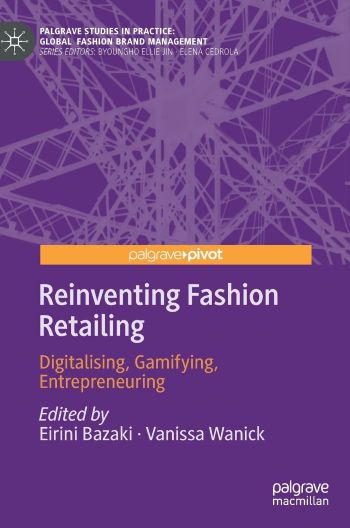
Reinventing Fashion Retailing: Digitalising, Gamifying, Entrepreneuring – A Comprehensive Summary
Top 10 Key Learnings for Students and Professionals
1. Digital Transformation is Non-Optional: The pandemic accelerated what was already inevitable—fashion retail must embrace digital channels. Success requires understanding that 48% of consumers have permanently shifted to online shopping, and luxury markets have not only recovered but grown beyond pre-pandemic levels. Brands must develop comprehensive digital strategies spanning e-commerce, social media, and emerging platforms.
2. Artificial Intelligence Enables Personalization at Scale: Recommender systems using machine learning can process vast product catalogs and customer preferences to provide personalized suggestions that improve shopping experiences and reduce cognitive overload. Understanding how these systems work—content-based filtering, collaborative filtering, and knowledge-based approaches—is essential for modern fashion retail management.
3. The Metaverse Presents Real Opportunities: Virtual worlds like Roblox and Fortnite aren’t just games—they’re platforms where brands can reach new audiences, particularly younger consumers. Successful strategies require understanding platform cultures, building genuine experiences rather than advertisements, and enabling meaningful user participation and co-creation.
4. Augmented Reality Bridges Physical and Digital: AR applications like virtual fitting rooms can reduce return rates (currently 20-60% for fashion), increase purchase confidence, and provide hedonic experiences. The technology enables try-before-you-buy experiences, personalization, and even addresses inclusive design needs, with the adaptive fashion market projected to reach $400 billion by 2026.
5. Gamification Drives Engagement: Applying game elements—rewards, achievements, challenges, avatar customization—to non-game contexts creates motivational effects. Successful implementation requires understanding what to gamify (customization, collection, achievement) and how to balance extrinsic rewards with intrinsic motivation. Poor implementation can damage brand perception.
6. Authenticity Builds Trust: Whether blogger, influencer, or brand, authenticity strategies (passionate and transparent) are crucial for building credible relationships. This means selective brand partnerships, consistency between personal values and promoted products, transparency about sponsorships, and genuine engagement rather than transactional interactions. Modern consumers detect inauthenticity quickly and punish it with disengagement.
7. Entrepreneurship Through Social Media is Viable but Demanding: The blogger-turned-entrepreneur path, exemplified by Chiara Ferragni’s journey from blog to €40 million business, demonstrates accessibility but requires exceptional skill combinations: artistry, business acumen, strategic thinking, taste leadership, and relentless work ethic. Success involves blurred personal-professional boundaries and continuous cultural capital development.
8. Crowdfunding is Strategic Communication: Beyond funding, crowdfunding platforms enable nascent brands to test markets, build communities, and create buzz. Success requires understanding the five SMM elements (entertainment, customization, interactivity, eWOM, trendiness) and mapping stakeholder roles (investor, producer, consumer). Multiple platform presence and consistent engagement are essential.
9. Fashion and Technology Skills Must Converge: Future professionals need interdisciplinary capabilities spanning traditional fashion (design, trend forecasting, styling) and technology (3D design, world-building, AR/VR development, data analytics, AI understanding). Game design and fashion design are converging, creating new roles requiring knowledge of both virtual garment creation and physical manufacturing.
10. Sustainability and Inclusivity are Business Imperatives: Digital fashion offers potential sustainability benefits (97% less emissions than physical garments), while AR enables inclusive shopping experiences for consumers with disabilities. However, claims must be authentic—greenwashing is quickly exposed. Successful brands embed these values throughout operations, from supply chain transparency to adaptive design, recognizing that 15% of the global population (1.2 billion people) have disabilities.
Bonus Insight: The relationship between brands and consumers has fundamentally shifted from transactional to co-creative. Modern fashion retail requires viewing customers as participants in value creation, whether through UGC in virtual worlds, feedback in recommendation systems, or community building in crowdfunding campaigns. Success comes from enabling meaningful participation while maintaining brand vision—a delicate balance requiring new management approaches, continuous engagement, and genuine respect for consumer agency and creativity.
Introduction to the Book
“Reinventing Fashion Retailing” explores the digital transformation of the fashion industry in the post-pandemic era. Edited by Eirini Bazaki and Vanissa Wanick from the University of Southampton, this book examines how technology, gamification, and entrepreneurship are reshaping fashion retail. The volume brings together theoretical discussions with practical case studies, covering topics from AI-powered recommendation systems to virtual worlds, from influencer entrepreneurship to crowdfunding strategies. The book addresses how fashion brands can navigate digital channels, build meaningful customer relationships, and create sustainable business models in an increasingly competitive and technology-driven marketplace.
Chapter 1: The State of Fashion Retailing Post-Pandemic: Trends, Challenges and Innovations
Key Themes and Insights:
- Digital Acceleration: The pandemic forced rapid digital transformation, with 48% of consumers moving to online shopping. The luxury goods market recovered from €217 billion in 2020 to €283 billion in 2021, surpassing pre-pandemic levels.
- Consumer Behavior Shifts: Purchases across social media channels increased 68% worldwide. New shopping habits emerged, including domestic luxuries, wardrobe reboots, and engagement with virtual experiences.
- The Metaverse Mindset: Fashion brands are exploring virtual worlds like Roblox and Fortnite to reach younger consumers. Examples include Ralph Lauren’s Winter Escape experience and Gucci’s virtual garden, demonstrating how brands create immersive digital experiences.
The chapter identifies digitalization, gamification, and entrepreneurship as three interconnected drivers of fashion retail transformation. Digital innovations extend beyond e-commerce to include in-store digital signage, virtual fitting rooms, and augmented reality applications. Research shows these innovations have varying effects across brand categories, with sports stores seeing higher consumer engagement than luxury stores.
- Social Media Evolution: Platforms emphasizing visual content (Instagram, Snapchat) have become crucial for fashion marketing. Facebook remains the most-used platform globally with nearly 3 billion users, making social shopping increasingly important for luxury marketing strategies.
- Gamification in Fashion: Gamified elements like goal-setting, achievement systems, and avatar customization create motivational effects for consumers. Studies show avatar customization triggers feelings of autonomy, making it effective for digital fashion applications.
- Virtual Fashion Economics: Digital garments are becoming collectibles and status symbols. A Gucci virtual handbag sold for over $3,000 in Roblox, demonstrating the economic potential of digital fashion.
The chapter introduces the concept of “phygital” luxury experiences that blend physical and digital worlds. Fashion in games serves multiple purposes: identity expression, gameplay mechanics, and self-discovery. The authors distinguish between games designed around brands (advergames) and games featuring brand integration, noting that poor game experiences negatively impact brand perception.
- New Skill Requirements: Fashion professionals now need expertise in world-building, 3D design, and digital storytelling alongside traditional fashion skills. The convergence of fashion design and game design creates opportunities for interdisciplinary collaboration.
- Entrepreneurship Through Social Media: The blogger-turned-entrepreneur phenomenon represents a shift from business-driven to consumer-driven markets. Fashion bloggers gain influence through authenticity, taste leadership, and strategic social media engagement.
The conceptual framework presented shows how digitalization, gamification, and entrepreneurship intersect. Digital garments and avatar design bridge digitalization and gamification; business models connect digitalization and entrepreneurship; new skills span gamification and entrepreneurship. This framework helps brands understand how to position themselves across these three dimensions.
Chapter 2: Helping Online Fashion Customers Help Themselves: Personalised Recommender Systems
Core Concepts:
- The Information Overload Problem: With massive fashion catalogs and countless product combinations, customers face cognitive and choice overload. Recommender systems (RS) mitigate these effects by providing personalized suggestions, effectively becoming digital sales assistants.
- Three Main RS Approaches: Content-based filtering recommends items similar to those previously liked; collaborative filtering suggests items based on similar users’ preferences; knowledge-based systems use domain knowledge about products and customer needs.
The chapter provides detailed technical insights into how recommendation systems work. Customer Models (CM) represent information about individuals or groups, enabling personalization. These models can be static (long-term preferences only) or dynamic (incorporating both long and short-term preferences). For example, a customer from a tropical country might regularly browse summer outfits (long-term) but occasionally need winter coats for vacations (short-term).
- System Architecture: A complete RS includes user interface, recommendation engine, knowledge base, item catalog, customer model, and explanation facility. The explanation component helps customers understand why specific items were recommended.
- Building Customer Models: Systems gather information through questionnaires, implicit feedback (browsing behavior), or explicit feedback (ratings and likes). The case study of a simple FRS demonstrates how machine learning algorithms learn preferences iteratively, showing increasingly relevant recommendations through successive galleries.
The chapter examines real-world implementations. Lookiero uses questionnaires covering style, physical characteristics, intentions, and profiles, with human stylists analyzing responses to curate monthly packages. Customers keep what they want and return other items, with the system learning from these choices. Farfetch employs visual similarity algorithms and outfit completion systems, recommending complementary products to create complete looks based on professionally-styled predefined outfits.
- Accuracy Challenges: Virtual fitting rooms require modeling physical attributes to reduce return rates (currently 20-60% for fashion). Computer vision research continues advancing to achieve satisfactory quality for virtual try-ons.
- Supply Chain Integration: RS technology can extend beyond retail to planning, production, logistics, and post-sales. Customer models enable better inventory distribution by anticipating demand in specific geolocations.
- Future Developments: The chapter emphasizes that major improvements will come from enhanced customer models and integration with virtual fitting rooms. AI solutions can support multiple supply chain domains, from demand prediction to replacement purchase optimization.
The authors provide practical resources for deeper learning, including roadmaps for AI adoption, collections of research on fashion recommender systems, surveys of machine learning in fashion retail, and beginner guides to AI applications. These resources help bridge the gap between technical implementation and fashion industry applications.
Chapter 3: Brand Storytelling, Gamification and Social Media Marketing in the “Metaverse”: A Case Study of The Ralph Lauren Winter Escape
Framework Development:
- Storytelling Elements: The chapter develops an exploratory framework examining how fashion brands tell stories across different channels. Brand storytelling is mediated by actors (brand, brand community, consumers) and UGC media types (social media, virtual worlds).
- Story Types: Brands employ four story types: heritage (historical aspects), contemporary (innovations), folklore (stories others tell about the brand), and vision (future perspectives). These can be framed through “winner” or “loser” narratives, or through archetypal themes like hero, explorer, lover, and caregiver.
Virtual worlds like Roblox provide unique storytelling opportunities. With 1.5 million children playing in the UK alone and 40% female players globally, these platforms offer brands access to younger demographics. Roblox supports its own virtual currency (Robux) for purchasing items, creating an economy within the platform.
- Player Agency in Narratives: The concept of player agency—the dynamic response to system interaction—is crucial for understanding storytelling in virtual worlds. Operational agency relates to game rules, while diegetic agency concerns narrative progression through quests, leveling, role-playing, and community interactions.
- The Ralph Lauren Winter Escape Case Study Analysis:
The experience attracted 4.7 million visitors during its run from December 8, 2021, to January 3, 2022, with half rating it positively. The brand utilized Twitter with hashtags #RLxRoblox and #RLHoliday to promote weekly rewards, creating a transmedia experience.
The narrative centered on festive season enjoyment through brand sponsorship. Players could dress avatars in RL clothing, decorate environments, and participate in treasure hunts for exclusive items. However, the experience was linear and brand-centric, with limited user-generated content opportunities. The main interactive elements involved avatar customization and reward collection rather than creative world-building.
- Gamification Strategy: The experience heavily relied on reward mechanisms. Players collected decorations to unlock treasure hunt tickets, which in turn unlocked unique items. Daily visits were encouraged through timed exclusive releases. This approach prioritized individual achievement over social interaction or collaborative creation.
- Social Media Integration: While Snapchat’s lens features were mentioned in the broader context, RL’s primary social media integration occurred through Twitter announcements. The experience showed brand congruency but limited cross-platform narrative development. Items advertised on Twitter featured historical snippets, connecting contemporary digital experiences with brand heritage.
- Limitations and Opportunities: The study found little consumer-consumer interaction and limited UGC despite Roblox being a UGC platform. The experience felt passive and individualistic, potentially missing opportunities for community building and co-creation. Gucci’s contrasting approach of partnering with Roblox creators suggests alternative strategies for authentic platform engagement.
- Implications for Practice: Brands entering virtual worlds should understand platform community rules and culture. Creating genuine experiences requires more than brand presence—it demands meaningful participation opportunities and authentic engagement with platform norms. The RLWE demonstrated brand presence but questioned whether this constituted genuine co-creation or primarily served advertising purposes.
The chapter concludes by emphasizing that fashion brands rushing to “conquer the metaverse” must balance brand objectives with platform affordances and community expectations. Effective virtual world strategies require understanding that these spaces have established cultures and that consumers expect meaningful participation, not just branded content consumption.
Chapter 4: The Use of Augmented Reality to Enhance Consumer Experience: The Case of Kohl’s Snapchat Virtual Closet and Sephora Virtual Artist
AR Technology Foundations:
- AR Definition and Evolution: Augmented reality combines real and virtual elements in real-time through 3D interactive dimensions. The technology has evolved from its 1997 origins in medical and manufacturing applications to consumer-facing mobile applications, with the virtual fitting room market projected to reach $10 billion by 2027.
- Two Waves of AR: The first wave focused on overlaying digital assets onto the physical world. The second wave emphasizes human-centric, immersive, and sensorial experiences, including applications helping visually impaired users “see” through vibration sensors.
AR in retail creates new interaction layers. Consumers can add virtual products to their environment through try-ons, scan logos for additional content, or place virtual objects in physical spaces. These interactions center on three physical elements: the individual (overlaying virtual garments), products (scanning for content), or the environment (placing virtual furniture).
- Consumer Behavior Impact: AR implementations significantly influence consumer attitudes and purchase intentions, particularly for beauty products and cosmetics due to their hedonic motivational nature. Studies show AR experiences create enjoyment and playfulness, distinguishing them from traditional online shopping.
- Kohl’s Snapchat Virtual Closet Case Study:
Kohl’s, an American department store with 1,100+ locations, collaborated with Snapchat in May 2020 to create an AR dressing room. The strategy targeted Snapchat’s 108 million US users, particularly the 25-34 age demographic (88 million globally in this range). Users could virtually try on clothing, mix and match items, and purchase directly through the app.
The virtual closet featured continually updated inventory, initially showing spring styles, then shifting to work-from-home athleisure, and eventually back-to-school items including a Levi’s collaboration. The “Selfie Lens” feature allowed customers to virtually wear items like the Levi’s Trucker Jacket, integrating AR features with Snapchat’s core functionality.
A key challenge was discoverability—without supporting advertising campaigns, consumers might struggle to find the virtual closet. This dependency on media coverage and social sharing highlighted tensions between playful experiences and utilitarian shopping functions.
- Sephora’s Virtual Artist Case Study:
Sephora, part of LVMH, launched Virtual Artist in 2017 as an update to their mobile app. Developed by ModiFace (also serving L’Oreal, Armani, and others), the app overlays makeup onto users’ faces via phone cameras. The demo emphasized social sharing with #sephoravirtualartist, positioning the app as both shopping tool and social media content creator.
Post-COVID, physical stores adopted the Virtual Artist feature to avoid makeup contamination, demonstrating how AR mobile try-ons bridge digital and physical retail environments. This dual-purpose application showed AR’s utility beyond pure e-commerce.
- Comparative Analysis:
Both cases demonstrated social media integration, allowing users to share virtual try-ons. Kohl’s emphasized platform-specific features (Snapchat lenses), while Sephora focused on standalone app functionality with social sharing capabilities. The VFR experiences prioritized individual interaction over collaborative shopping, limiting the social aspects that traditionally characterize in-store fashion retail.
- Five Key Themes Emerged:
1. Social Media Integration and Brand Congruency: Successful AR implementations align with platform affordances and audience demographics. Kohl’s targeting of Snapchat’s young user base demonstrated strategic platform selection.
2. Consumer Agency and Flow Experience: AR applications enable consumer manipulation of virtual objects, creating flow states characterized by losing track of time and escaping reality. However, usability challenges can disrupt these flow experiences.
3. Narrative Experience and Omnichannel Orchestration: Effective VFR strategies span multiple channels. Sephora’s application in both digital and physical stores exemplified omnichannel integration, using AR to address health safety concerns while maintaining customer experience quality.
4. Inclusive Design and Sustainable Fashion: AR presents opportunities for adaptive fashion, potentially serving consumers with disabilities who might find physical try-ons challenging. The global adaptive fashion market is expected to reach $400 billion by 2026, representing 15% of the global population (1.2 billion people with disabilities).
5. Augmenting Reality Meaningfully: True AR enhancement requires simplifying decisions and adding value, not merely replicating existing interactions. Applications must genuinely augment physical reality rather than creating parallel digital experiences that miss opportunities for improvement.
- Implications for Theory and Practice:
Research should investigate self-congruity in AR applications, examining how digital experiences enhance sense of self for diverse consumers, including those with disabilities. Studies should map how VFR usage integrates into the complete consumer journey and whether virtual interactions lead to purchases.
For practitioners, AR offers opportunities beyond hedonic entertainment. Applications can address practical needs like reducing returns through accurate fitting, supporting sustainable fashion through on-demand production, and enabling second-hand garment businesses through standardized virtual try-ons. The technology could also support ethical fashion and slow fashion movements by reducing waste through better pre-purchase information.
Chapter 5: Skins in the Game: Fashion Branding and Commercial Video Games
Fashion-Gaming Convergence:
- Seven Core Components: The chapter identifies seven elements defining the fashion-games-consumer behavior relationship: self-identity, self-discovery, self-expression, status, digital garments, artistic value, and brand interactivity.
- Historical Context: Fashion in games initially served gameplay functions (power-ups, role-playing attributes) rather than consumerism. Current collaborations between luxury brands and games represent a significant paradigm shift, with examples including Prada’s partnership with Riders Republic, Moschino’s The Sims collaboration, and Balenciaga’s Fortnite collections.
Luxury Brand Innovations:
Balenciaga’s Afterworld: The Age of Tomorrow created an entire virtual world for their Fall 2021 runway show. This photorealistic 3D environment featured first-person movement mechanics, guiding players through moody post-apocalyptic zones to an enchanted Neo-Medieval forest. The soundscape evolved from synthetic melodies to birdsong and orchestral strings, while hyperrealistic NPCs dressed entirely in Balenciaga demonstrated the communicative power of fashion without traditional interaction.
The experience emphasized “seeing” and “being seen”—mirroring physical runway shows. The first-person perspective shifted to third-person at the conclusion, with the player’s avatar adopting a power stance atop a mountain, symbolizing both observation and display.
- Brand Strategies in Existing Games: Rather than creating bespoke experiences, many brands build spaces within established platforms. Gucci created a surreal garden in Roblox targeting 11-18 year old game designers. Fashion designers including Anna Sui, Isabel Marant, and Marc Jacobs built themed islands in Animal Crossing: New Horizons, leveraging the game’s large user base and simple creation tools.
- Digital Fashion Economics: Digital garments function as status symbols and collectibles. The “Dress X” startup sells exclusively digital clothing, positioning digital fashion as sustainable. Virtual items can be purchased with in-game or real-world currencies, creating complex economies where digital scarcity drives value.
Animal Crossing: New Horizons Deep Dive:
Released March 2020, AC:NH broke records with 33.89 million copies sold by June 2021. The island-living simulator provided refuge during pandemic isolation, allowing celebrations of canceled real-world events and establishment of comforting routines.
- Creative Expression Mechanisms: Players design island infrastructure, communal spaces, house layouts and interiors, and avatar appearance (hairstyle, skin tone, features, outfits, accessories). The in-game currency (bells) is earned by selling harvested resources or crafted items.
- Fashion System Progression: The tailor shop (run by hedgehog sisters Mabel and Sable) appears only after players reach certain goals, positioning clothing as status symbol earned through gameplay investment. A third sister, Label, challenges players to create outfits matching specific categories (formal, vacation, sporty), rewarding successful coordination with her “Labelle” clothing line items.
- Photography and Social Sharing: The in-game camera enables players to pose, consider lighting and backdrops, and share images across social media platforms. Hundreds of Facebook groups, Instagram accounts, Discord servers, and Twitter communities facilitate item trading, turnip market manipulation, and scene sharing.
- Brand Applications:
Net-a-Porter Island: Created by consultant WeSuperSeed, this branded island featured areas like “Beach Relaxation,” “Spa Area,” and “Gym and Meditation,” showcasing Net-a-Porter’s monochromatic color palettes and iconic patterns. The digital runway dissolved traditional exclusionary standards by allowing any avatar to participate equally.
Kara Chung’s Fashion Archive: Photographer Kara Chung’s Instagram account (@animalcrossingfashionarchive) gained 37,000 followers by recreating luxury fashion in AC:NH. Her collaboration with Reference Festival organized one of the first virtual runway shows. The simplified design tools require “distilling” brand essence, focusing on colourways and patterns over texture or cuts. This constraint invites creative problem-solving and develops critical eye for defining garment features.
Pandora Island: Using Dream Addresses (allowing asynchronous visits), Pandora created a persistent virtual space styled as exclusive press event. Houses became “The Studio,” “The Green Room,” “The Selfie Space,” and “The Dance Floor.” The pink-purple color scheme and strategic poster placement ensured brand logo visibility in user-generated screenshots. Free gifts (sparklers, party poppers, balloons) created goodwill while visitors could download Pandora-themed garment designs.
- Critical Perspectives:
Gamification of Consumerism: Scholars debate whether using play platforms for real-world product sales ruptures the “magic circle” of play or provides radical potential for exposing consumption habits.
Inclusivity Opportunities: Digital avatars could promote body type and gender inclusivity. AC:NH designates gender as “style,” allows changes anytime, and makes all appearance options available regardless of chosen style. However, researchers warn against naive enthusiasm about post-body digital spaces, noting that racism, ableism, and heterosexism persist in virtual environments.
Environmental Claims: DressX positions digital fashion as green alternative (97% less emissions than physical garments), but this may mask luxury industry greenwashing practices.
NFTs and Cryptocurrency: The chapter critiques energy-intensive blockchain mining, money laundering concerns, and security breaches. Experienced game designers emphasize that interoperable digital skins across games are neither feasible nor desirable.
Fan Labor Exploitation: The chapter questions whether multinational corporations exploit free fan creativity, assimilating organic community energy into capitalist structures. Unequal power dynamics challenge genuine consumer co-creation. Unpaid labor framed as “hobby” undervalues necessary skills and complicates ownership and credit allocation. The parallel with physical fashion—high fashion “stealing” from street style while adding exorbitant prices—suggests concerning patterns of digital gentrification.
Chapter 6: Becoming a Fashion Blogger Entrepreneur: The Case of Chiara Ferragni
Theoretical Foundations:
- Taste as Resource: Drawing on Bourdieu’s work, taste represents capacity to apply aesthetic judgment and discriminate between beautiful and unappealing. Taste creates boundaries between groups, fostering solidarity among those sharing preferences while distinguishing them from others. Fashion bloggers enhance cultural capital through repeated exercise and display of taste.
- Authenticity Strategies: Research identifies passionate authenticity (genuine desire to share passion) and transparent authenticity (disclosing brand partnerships). Authenticity improves message receptivity, perceived quality, and purchase intentions. However, Goffman’s work suggests no actor can be fully authentic—blogging as performance allows curated persona construction.
Blog Development Stages:
- Stage 1—Personal Blog to Professional Webpage: Bloggers initially record interesting outfits casually, using blogs as online journals. Posts lack focus and attention to detail. The blog gradually transitions toward public taste display, with bloggers elaborating on personal style, shopping locations, and experiences. To establish taste leadership, bloggers must take risks, going beyond established styles to create aesthetically pleasing, discriminating taste judgments.
- Stage 2—Virtual Community to Audience Management: Early bloggers interact extensively with followers, asking for suggestions and sharing personal information to build bonds. As audiences grow, blogger behavior changes—they stop responding to comments and suggestions, becoming independent from audience input. This independence paradoxically increases their worth as taste leaders.
Maintenance and Growth Strategies:
- Feigning Similarity: Successful bloggers reference mundane moments followers can relate to while downplaying special privileges, appearing as “ordinary consumers, only luckier.” This creates the illusion that followers could easily change places with bloggers.
- Self-Deprecation: Bloggers critique their own physical characteristics, reference bad habits and embarrassing moments, maintaining approachable personas despite insider status.
- Homophily: Recent studies show influencer similarity to followers positively affects information adoption and purchase intention.
- Life Integration: Distinctions between personal and professional lives blur. Female personal style bloggers record all life stages including pregnancy and motherhood. The continuous content creation means rarely taking days off, even when sick.
Entrepreneurial Mindset Characteristics:
- Risk Tolerance and Achievement Need: Studies show entrepreneurs score higher on risk tolerance and need for achievement. Female entrepreneurs particularly score higher on “masculine” values (achievement, recognition, independence, leadership) and seek business growth more actively.
- Skill Development: Both “soft” skills (communication, organization, problem-solving, leadership) and technical skills (photography, graphic design, social media management) develop through practice. Entrepreneurial skills often emerge from everyday activities, hobbies, or personal problem-solving needs.
- Entrepreneur Types: Fitzsimmons and Douglas identify four types: accidental (high intention, high feasibility, low desirability), non-entrepreneur (low in all areas), natural (very high in all areas), and inevitable (high intention and desirability, low feasibility).
Chiara Ferragni Case Study Timeline:
2009: Started “The Blonde Salad” blog with boyfriend Ricardo Pozzoli, initially financed through advertising, product placement, and affiliate programs.
2011-2013: Built personal fashion brand. Launched first shoe collection ($220-$500 range) selling in 200 stores across 25 countries. By 2014, 70% of revenue came from footwear, only 30% from blog advertising.
2015: Expanded to accessories (backpacks, beanies, t-shirts, iPhone cases) via capsule collection exclusively on chiaraferragnicollection.com. Reached 3.2 million Instagram followers, appeared on covers of Lucky, Grazia, Vogue, InStyle, Marie Claire. Harvard Business School published case study on her success. Collaborated with Dior, Chanel, Louis Vuitton, and non-fashion brands like Ladurée.
2017: Launched pop-ups with retailers including Level Shoes Dubai, Luisa Via Roma Florence, Saks Fifth Avenue New York. Introduced see-now-buy-now model. Took president/CEO role at Blonde Salad to reduce costs and invest in capsule collections after business underperformance.
2018: Wedding to singer Fedez generated $5.2 million in Media Impact Value, comparable to royal weddings in media impact.
2019: Launched documentary celebrating 10th anniversary. Invited to LVMH Prize expert committee with 15.9 million Instagram followers.
2020: Signed multiple deals: Velmar Spa (beachwear/underwear), Monnalisa (children’s wear), Swinger International (ready-to-wear/handbags/accessories). Asked by Italian Prime Minister to fight COVID-19 spread among younger generations. With Fedez, launched GoFundMe campaign with €100,000 personal donation, raising €4.5 million for Milan’s San Raffaele hospital. Received Ambrogino d’Oro award for pandemic contributions. Donated Oreo capsule collection proceeds to Bergamo hospital.
2021: Signed eyewear deal with Safilo Group. Named global ambassador for Hublot, Bulgari, GHD. Joined Tod’s board—shares closed up 14% on announcement day. Tod’s revenues increased from historical struggles to €883.8 million (up 38.7% from 2020), with retail channel reaching €659.4 million (up 47%). Became 100% owner of TBS Crew (managing The Blonde Salad), which closed with €6.8 million sales (up 42%).
2022: Reached 27.2 million Instagram followers. Collection includes accessories, footwear, children’s wear, jewelry, and multiple product categories.
- Success Factors Analysis: Ferragni never accepted money to advertise outfits she disagreed with, maintaining selective partnerships. She offered transparency and approachability in personal life while creating persona representing higher principles (women’s empowerment, gender equality, patriotism). Her natural entrepreneurial spirit drove continuous expansion—after successful collaborations, she’d launch those product categories under her own brand. With husband Fedez, she became “Ferragnez,” brand spokespeople for social causes, making personal donations and activating fundraising for social/health initiatives.
Roadmap for Fashion Blogger Entrepreneurs:
- Essential Skills: Artistry and business acumen are primary. Creative writing, graphic design, styling, trend forecasting, relationship management, brand building, selling, modeling, and photography constitute core competencies.
- Complementary Skills: Strategic thinking, opportunity identification, selective collaboration, long-term planning (transitioning to lifestyle magazines, launching collections), treating blogs as businesses, and focusing on monetization and longevity.
- Peripheral Skills: Building peer blogger networks, showing sensitivity to blogosphere rules, norms, and codes.
- Resources Required: Both intrinsic and extrinsic resources, tangible and intangible, human and financial capital enable success. Cultural and social capital accumulation through active, cosmopolitan lifestyles (museums, exhibitions, concerts, reading) generates unique voice and distinct style.
The chapter concludes that while the blogosphere is accessible, successful fashion bloggers transcend ordinary consumer status. They accumulate economic benefits (gifts, paid placements, modeling), social benefits (exclusive invitations, media mentions), and cultural benefits (meaning-making, fashion interpretation) unavailable to typical consumers. This elevation distances bloggers from ordinary consumers through continuous cultural capital development.
Chapter 7: Crowdfunding Nascent Fashion Brands
Crowdfunding Context:
- Definition and Models: Crowdfunding involves one party financing a project by requesting small contributions from many parties in exchange for value. Modern crowdfunding utilizes web platforms to convey messages and inspire contributions. The reward model offers contributing crowd members incentives, typically products, functioning similar to pre-purchase shopping.
- Historical Perspective: Crowdfunding has long history—Jane Austen used list systems crediting contributions to published works. Modern platforms systematize this process but create temporal issues: funders are forgotten while products remain, though their contributions enabled creation.
Co-Creation Evolution:
The transition to co-creative brands marks a shift from one-way web communication to multi-dimensional service provision where end-users create narratives and outcomes. Benkler predicted this form of customer integration becoming common. The experiential economy (Pine & Gilmore, 1998) now embeds expected co-creation by producers and consumers.
- Fashion’s Paradox: Simmel identified fashion simultaneously playing to aspirations and practical needs, seeking both imitation and novelty. This paradox manifests in constant evolution, differentiation from previous iterations, and spaces exchanging pre-owned products.
- Trust and Engagement: The modern age demands routine maintenance through social media engagement. While general brand trust has crashed to all-time lows, social media offers salvation for brand concepts. Fashion brands excel in adopting these new communication modes, with crowdfunding representing novel marketing allowing nascent brands to communicate uniqueness previously impossible.
Theoretical Frameworks:
- IPC Stakeholder Map (Buckingham & Wanick, 2021): Contributors function as Investors, Producers, or Consumers—or combinations of all three simultaneously. Unlike professional Business Angels and Venture Capitalists, crowdfunding admits more amateur stakeholders who nonetheless add relationship value. This democratizes contribution but requires different management approaches.
- Five Social Media Marketing Elements (Cheung et al., 2021):
1. Entertainment: Releases capital creating happiness and pleasure, requiring playful brand owner approaches.
2. Customisation: Enables adding extra items, tracking pledges, receiving insider details. Requires responsive brand owner strategies.
3. Interactivity: Consumers discuss brand stories, offer personal insights. Brand owners engage in direct discussions with consumers.
4. eWOM (Electronic Word of Mouth): Credible, trustworthy distribution of past experiences with brands. Closely linked with interactivity, initiated by past, present, or future customers.
5. Trendiness: Timely, insightful, fashionable updates sending quality signals, helping retain follower interactions.
- Influencer Strategy: Business of Fashion playbook identifies four influencer types based on follower network size: nano (1k-10k), micro (10k-100k), mid (100k-500k), macro (500k+). Brands must align with appropriate influencer size for strategic objectives, though budgetary constraints may limit smaller brands’ ability to utilize this advertising form.
BluelyBoo Case Study:
The Kickstarter campaign (July 6 – August 17, 2021) raised £10,242 from 285 backers, exceeding the £300 target by 3,314%. The witches-themed enamel pin collection featured handmade pins ranging from 40mm to 20mm mini pins (unlocked at £4,200 pledge level).
- Multi-Platform Presence: Beyond Kickstarter, BluelyBoo maintained presence on Etsy, Instagram, Patreon (subscriptions), and Twitter. Three product ranges (fashion accessories, pins, stationary) shared distinctive styles: colorful stylized representations of real and imaginary animals, artifacts, and people.
- Business Strategy: The brand overachieved crowdfunding goals while innovating with monthly subscription plans delivering new pins. Subscriptions were promoted at various touchpoints and actively promoted by consumers through eWOM.
- SMM Element Implementation:
Entertainment: Light, professional tone in comment responses across Kickstarter and social media channels, focusing on products.
Customisation: Responsive to pecuniary input, unlocking rewards as values increased, encouraging incremental offers with direct audience dialogue highlighting perceived value gains.
Interactivity: More active on social media than Kickstarter pages, reflecting social capital gained by audience and need for responsive communication on their terms (granted permissions).
eWOM: Open, engaging dialogue delivered quality signals. Positive experiences maintained pleasurable interaction aspects, with dialogue continuing throughout campaign.
Trendiness: Monthly subscription service through Patreon represented novel audience engagement approach with delivery commitment.
- Key Success Factors: The brand demonstrated consistent engagement across all five SMM elements. Despite simple pin products manufactured relatively cheaply, the emotional connection and community engagement drove success. The tribal following on social media, combined with distinctive designs linking to particular identities, created strong brand loyalty.
Implications and Recommendations:
- For Future Research: Combining IPC Stakeholder map with Cheung et al. framework could demonstrate engagement types and participant identities/levels. Empirical studies could map digital engagement against these criteria, producing practical checklists for campaign fitness assessment.
- For Practitioners: Not all crowdfunding campaigns are equal—budget sizes affect graphic quality, video polish, and text refinement. Product category differences within fashion create wide cultural output ranges. Research gaps exist regarding cultural output impacts from various constraints.
- Strategic Value: Crowdfunding functions as fresh communicative approach focusing on crowds rather than funding. This levels playing field for nascent fashion businesses while providing fluency in campaign planning and implementation processes. For crowd agents, contributions create legacy even when individual funders are forgotten—products and brands they help create gain market traction.
Conclusion: Crowdfunding represents new communicative capital form where profile-based or content-based strategies enable bottom-up value creation. Better fit emerges between niche market needs/desires and final products. Understanding agent identities through IPC mapping and SMM frameworks provides deeper insights benefiting both fashion and crowdfunding literature. The BluelyBoo case demonstrates successful interaction and engagement strategies applicable across multiple campaigns and sectors, generalizable beyond unique fashion pin paradigm.