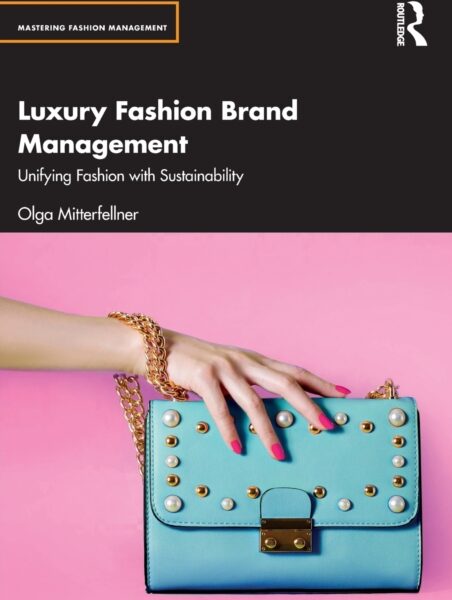
Luxury Fashion Brand Management: Unifying Fashion with Sustainability – A Comprehensive Book Summary
10 clear, high-impact takeaways from Luxury Fashion Brand Management: Unifying Fashion with Sustainability
- Sustainability is a strategic core, not a marketing add-on: Luxury brands must integrate sustainability into their business models, decision-making, and brand DNA rather than treating it as a campaign or CSR activity.
- True luxury naturally aligns with sustainability: Craftsmanship, durability, heritage, and timeless design—traditional luxury values—support sustainable consumption when managed intentionally.
- Brand heritage can be leveraged as a sustainability asse: Long histories, artisanal skills, and cultural narratives help luxury brands credibly communicate responsible practices without appearing opportunistic.
- Transparency builds trust and protects brand equity: Supply chain visibility, material traceability, and honest communication reduce reputational risk and strengthen long-term consumer trust.
- Social sustainability is as important as environmental impact: Fair labour practices, artisan preservation, and community empowerment directly contribute to brand authenticity and value creation.
- Sustainability enhances perceived value and pricing power: Ethical and environmental responsibility add emotional and symbolic value, justifying premium pricing and deepening customer loyalty.
- Leadership commitment determines sustainability success: Sustainable luxury requires top-down leadership, cross-functional collaboration, and an organisational culture rooted in ethical values.
- Circular economy models fit luxury better than fast fashion: Repair, resale, refurbishment, and longevity reinforce exclusivity while extending product life cycles and reducing waste.
- Greenwashing is one of the biggest risks for luxury brands: Superficial sustainability claims damage credibility; brands must communicate actions, limitations, and progress with honesty.
- Sustainable luxury is a source of long-term competitive advantage: Brands that embed sustainability early will shape future industry standards, remain culturally relevant, and secure long-term profitability.
Introduction to the Book and Author
Olga Mitterfellner’s Luxury Fashion Brand Management: Unifying Fashion with Sustainability (Routledge, 2023) arrives at exactly the right moment. Luxury fashion, once shielded from criticism by exclusivity and heritage, is now under intense scrutiny. Climate change, ethical labour concerns, and shifting consumer values are rewriting the rules of the industry. This book does not treat sustainability as a trend or marketing add-on. Instead, it positions sustainability as a strategic core of luxury brand management.
Mitterfellner approaches the subject academically yet practically, blending theory, real-world examples, and strategic frameworks. The book is written for students, professionals, and decision-makers who want to understand how luxury brands can remain desirable, profitable, and relevant in a sustainability-driven world.
Why Sustainability Is No Longer Optional in Luxury Fashion
Luxury has always been about excellence, longevity, and meaning. Ironically, modern luxury fashion drifted away from these values by adopting fast-paced production cycles and globalised supply chains. Mitterfellner argues that sustainability is not a limitation for luxury brands; it is a return to their roots.
Today’s luxury consumers expect more than beautiful products. They want transparency, ethics, and accountability. Sustainability is no longer a “nice to have.” It is a license to operate. Brands that fail to integrate sustainability risk reputational damage, loss of trust, and long-term irrelevance.
Defining Luxury in the 21st Century
The Evolution of Luxury Fashion
Luxury has evolved from aristocratic exclusivity to global aspiration. Historically, luxury was defined by craftsmanship, scarcity, and heritage. In the 21st century, those elements remain essential, but they are no longer enough.
Mitterfellner explains that modern luxury must also deliver social and environmental value. Luxury brands are cultural institutions as much as commercial entities. Their influence extends beyond fashion into lifestyle, identity, and values.
From Craftsmanship to Consciousness
The book highlights a critical shift: luxury is moving from material excess to meaningful consumption. True luxury today is about buying less but better. Sustainability enhances luxury by reinforcing quality, durability, and emotional connection.
Understanding Sustainability in Fashion
Sustainability in fashion is complex and multidimensional. Mitterfellner adopts the widely accepted triple bottom line framework: environmental, social, and economic sustainability.
Environmental Responsibility in Luxury
Luxury brands have a unique opportunity to lead environmental change. Smaller production volumes, higher margins, and long product lifecycles make sustainable practices more achievable than in mass fashion.
Key environmental issues discussed include:
- Raw material sourcing (leather, silk, cashmere)
- Carbon emissions and energy use
- Water consumption and pollution
- Waste and overproduction
Mitterfellner emphasises that environmental sustainability must be measurable, strategic, and embedded into operations rather than treated as a marketing initiative.
Social Ethics and Human Capital
Luxury fashion relies heavily on human skill. Artisans, craftspeople, and garment workers are central to brand value. Social sustainability focuses on:
- Fair wages and safe working conditions
- Preserving craftsmanship and cultural heritage
- Empowering local communities
The book argues that ethical labour practices are not just moral obligations; they are strategic investments in brand authenticity and resilience.
Economic Sustainability and Long-Term Value
Economic sustainability is about long-term profitability without compromising ethical or environmental standards. Mitterfellner stresses that sustainable luxury is not anti-growth. Instead, it promotes intelligent growth that protects brand equity and resources over time.
Luxury Brand DNA and Sustainability Integration
Heritage as a Sustainability Asset
Luxury brands often possess decades or even centuries of heritage. This heritage is not a burden; it is a sustainability asset. Craftsmanship, longevity, and timeless design naturally align with sustainable values.
Mitterfellner explains how brands can reinterpret heritage through a modern sustainability lens without losing authenticity.
Storytelling and Brand Authenticity
The Power of Narrative in Luxury Branding
Storytelling is central to luxury brand management. Sustainability narratives must be credible, consistent, and emotionally engaging. Consumers can easily detect superficial claims.
The book highlights that authentic storytelling connects sustainability actions with brand identity, making ethics part of the brand myth rather than a separate campaign.
Strategic Luxury Brand Management
Balancing Exclusivity with Responsibility
One of the most interesting discussions in the book is the perceived tension between exclusivity and sustainability. Mitterfellner challenges the idea that sustainability makes luxury less desirable.
Exclusivity can coexist with responsibility when brands focus on:
- Limited production
- High-quality materials
- Timeless design
- Transparent processes
Strategic Decision-Making in Sustainable Luxury
Sustainability must inform strategic decisions at every level, from product development to market expansion. Mitterfellner introduces strategic tools that help managers evaluate sustainability trade-offs without compromising brand positioning.
Risk Management and Reputation
In the digital age, reputational risk is one of the biggest threats to luxury brands. Sustainability failures can spread globally within hours. Proactive sustainability strategies act as a form of risk management and brand insurance.
Supply Chain Transparency and Traceability
Ethical Sourcing of Materials
Luxury supply chains are often complex and opaque. Mitterfellner stresses the importance of traceability, especially for high-impact materials such as leather, exotic skins, and precious metals.
Transparency builds trust and allows brands to verify ethical and environmental standards.
Artisanship, Local Communities, and Fair Trade
Supporting local artisans and communities strengthens social sustainability while enhancing brand storytelling. The book highlights how fair trade and community partnerships reinforce both ethics and exclusivity.
Innovation, Technology, and Circular Luxury
Digitalisation in Sustainable Brand Management
Technology plays a crucial role in enabling sustainability. From blockchain traceability to digital product passports, innovation allows luxury brands to monitor, measure, and communicate sustainability efforts more effectively.
Circular Economy Models in Luxury Fashion
Mitterfellner explores how circularity fits naturally with luxury. Repair, resale, rental, and upcycling align with luxury’s emphasis on longevity and value retention.
Circular luxury challenges the traditional idea of ownership while opening new revenue streams and strengthening customer relationships.
Consumer Behaviour and Sustainable Luxury Demand
The Rise of the Conscious Luxury Consumer
Luxury consumers are no longer passive. They research brands, question practices, and demand accountability. Younger consumers, particularly Millennials and Gen Z, expect luxury brands to reflect their values.
Perceived Value vs. Ethical Value
The book highlights an important insight: sustainability adds symbolic and emotional value. Ethical value enhances perceived value, justifying premium pricing and strengthening loyalty.
Marketing Sustainable Luxury Without Greenwashing
Transparency as a Marketing Strategy
Greenwashing is one of the biggest risks in sustainable luxury marketing. Mitterfellner emphasises that transparency, even about imperfections, builds credibility.
Trust, Credibility, and Brand Loyalty
Trust is the ultimate currency of luxury. Honest sustainability communication strengthens long-term relationships and protects brand equity.
Leadership and Organisational Culture
Sustainability-Driven Leadership
Leadership commitment is critical. Sustainability cannot be delegated to a single department. It must be championed by top management and embedded into decision-making processes.
Embedding Ethics into Corporate Culture
The book highlights the importance of internal alignment. Employees must understand and believe in sustainability values for them to be reflected externally.
Challenges and Contradictions in Sustainable Luxury
Growth vs. Sustainability
One of the book’s most honest sections addresses contradictions. Luxury brands face pressure to grow while reducing environmental impact. Mitterfellner does not offer simplistic solutions but encourages strategic reflection and long-term thinking.
Cost, Scalability, and Innovation Barriers
Sustainable materials and processes are often expensive and difficult to scale. However, the book argues that these challenges can drive innovation and differentiation.
Future of Luxury Fashion Brand Management
Strategic Roadmap for Sustainable Luxury Brands
Mitterfellner concludes with a forward-looking perspective. The future of luxury lies in:
- Deep sustainability integration
- Purpose-driven branding
- Transparent value creation
- Responsible innovation
Long-Term Competitive Advantage
Sustainability is positioned as a source of long-term competitive advantage rather than a constraint. Brands that act early will shape industry standards and consumer expectations.
Conclusion
Luxury Fashion Brand Management: Unifying Fashion with Sustainability is a timely, insightful, and essential read. Olga Mitterfellner successfully reframes sustainability as a strategic opportunity rather than a moral obligation. The book demonstrates that luxury and sustainability are not opposing forces; they are natural partners.
For students, it provides a strong theoretical foundation. For professionals, it offers practical frameworks and strategic guidance. Most importantly, it challenges luxury brands to lead by example, proving that beauty, ethics, and profitability can coexist.
FAQs
1. Who should read this book?
This book is ideal for fashion management students, luxury brand professionals, sustainability managers, and researchers interested in responsible luxury.
2. Does the book focus more on theory or practice?
It balances both. Academic frameworks are supported by real-world examples and strategic insights.
3. Is sustainability presented as a marketing tool?
No. The book strongly criticises superficial sustainability and emphasises deep strategic integration.
4. Can small luxury brands benefit from this book?
Absolutely. Many strategies discussed are particularly relevant for niche and emerging luxury brands.
5. What is the key takeaway from the book?
True luxury in the future will be defined by responsibility, authenticity, and long-term value creation.