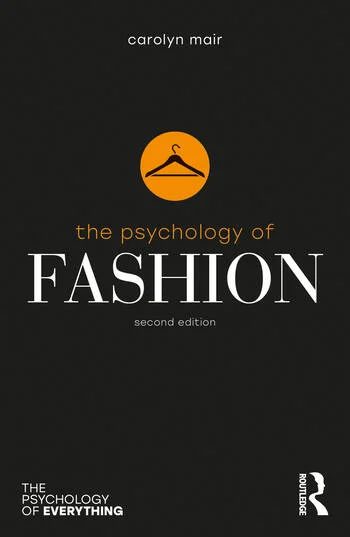
The Psychology of Fashion: A Comprehensive Summary
Top 10 Lessons for Students and Professionals
1. Fashion Psychology is a Legitimate Academic Field Fashion deserves serious psychological study beyond superficial aesthetics. It profoundly impacts identity, mental health, consumer behavior, and sustainability. The trivialization of fashion as mere vanity overlooks its cultural, economic, and psychological significance. Students and professionals should recognize fashion as a complex industry worthy of rigorous academic and ethical scrutiny.
2. Sustainable Practices Require Psychological Understanding The attitude-behavior gap shows consumers express sustainable intentions but struggle to translate them into action due to psychological barriers including cost concerns, convenience, habits, and limited information. Professionals must design interventions addressing these psychological obstacles through education, nudging, transparency, and making sustainable choices covetable rather than sacrificial.
3. Body Image and Mental Health Are Industry Responsibilities Fashion significantly impacts body image, self-esteem, and mental health across consumers, models, and designers. Industry has ethical obligation to promote diverse representation, challenge unrealistic beauty standards, support workforce mental health, and avoid perpetuating harmful objectification. Professionals should prioritize psychological well-being alongside aesthetic and commercial considerations.
4. Social Media is Double-Edged Sword Requiring Careful Management Social media platforms offer unprecedented marketing reach and community building but also contribute to comparison culture, body dissatisfaction, and mental health issues, particularly among young people. Professionals must balance social media’s commercial potential with ethical responsibility, promoting authentic representation, media literacy, and positive online environments.
5. Consumer Decision-Making is Complex and Non-Linear Traditional consumer behavior models oversimplify fashion purchasing, which involves impulse buying, emotional factors, social influences, brand loyalty, and trend adoption. Professionals should apply theoretical frameworks cautiously, recognizing individual differences in personality, motivation, mood, life stage, and cultural background that create diverse consumer behaviors.
6. Technology Must Be Implemented Ethically and Inclusively AI, VTO, AR/VR, and digital fashion offer transformative potential but raise concerns about privacy, algorithmic bias, job displacement, cybersecurity, and identity impacts. Professionals must prioritize diverse datasets, regular bias audits, transparent practices, and accessibility to ensure technology benefits all stakeholders rather than perpetuating existing inequalities.
7. Cultural Competence is Essential in Globalized Fashion Fashion influences are multidirectional across cultures, geographies, and socio-economic levels. Outdated trickle-down theories fail to capture contemporary reality. Professionals need cultural awareness, respect for diverse aesthetic traditions, and understanding that fashion choices reflect complex cultural identities, values, and social positioning beyond simple imitation.
8. The Attitude-Behavior Gap Requires Strategic Intervention Knowing consumers care about sustainability doesn’t guarantee sustainable purchasing. Psychological barriers including cost, convenience, quality concerns, and habit prevent intention-action translation. Professionals must design strategic interventions using social influence, behavioral nudges, education, transparency, and accessibility to bridge this gap effectively.
9. Inclusivity Extends Beyond Marketing to Systemic Change True inclusivity requires more than diverse advertising campaigns; it demands inclusive sizing, adaptive design for disabilities, representation across ages and body types, gender-neutral options, and workplace diversity. Professionals should embed inclusivity throughout design, production, marketing, and organizational culture rather than treating it as superficial add-on.
10. Fashion Can Be Force for Good Through Psychological Application Psychology provides tools to transform fashion into positive force benefiting individuals, communities, and planet. By applying evidence-based psychological principles to design, production, marketing, and consumption, professionals can create industry that supports mental health, celebrates diversity, promotes sustainability, ensures ethical practices, and enables authentic self-expression for all stakeholders.
Introduction
“The Psychology of Fashion” by Dr. Carolyn Mair represents a pioneering exploration of how psychological principles intersect with the fashion industry. As the first academic to establish psychology courses specifically for fashion at the London College of Fashion, Mair brings unique expertise to this emerging field. The book, published in its second edition in 2025, examines the reciprocal relationship between psychology and fashion—how clothing choices influence human behaviour and how the industry can better serve its stakeholders ethically and sustainably. This comprehensive work moves beyond superficial discussions of fashion as mere vanity, instead positioning it as a critical global economy that profoundly impacts individual identity, mental health, body image, consumer behaviour, and environmental sustainability. The book’s central thesis is that applying psychological knowledge to fashion can make the industry a force for good, benefiting workers, consumers, and the planet.
Chapter 1: Introduction to the Psychology of Fashion
Key Concepts:
- Defining Psychology and Fashion: Psychology is the scientific study of mind and behaviour, encompassing all aspects of human experience. Fashion extends beyond clothing to include accessories, cosmetics, jewellery, and body modifications, serving as cultural construction of embodied identity.
- The Intersection: Fashion and psychology are inextricably linked through concerns with body, sensation, identity, personality, communication, and relationships. Fashion serves as visual communication that shapes social interactions and self-expression.
- Industry Significance: The fashion industry employs millions and clothes billions worldwide, making it deserving of serious psychological consideration beyond aesthetics and economics.
- Psychologists’ Role: Psychologists can promote planet-positive strategies, create inclusive campaigns, support mental health, and address ethical issues arising from technological advances.
- Combating Trivialisation: The “antifashion tendency” dismisses fashion as superficial vanity, but this overlooks its profound cultural, psychological, and economic dimensions. Fashion serves as powerful self-expression and social commentary.
Core Arguments:
- Fashion deserves serious academic study as it impacts individuals, societies, and the global environment at multiple levels
- Ethical principles central to psychology should guide fashion industry practices
- Psychologists can identify ethical blind spots and guide decision-making toward minimising harm
- Understanding fashion through psychology promotes an ethical, sustainable industry focused on stakeholder well-being
Chapter 2: A Brief History of Fashion
Evolution Across Cultures:
- Ancient Origins: Human fashion began over 100,000 years ago in Africa, originally as status symbols before adapting to climate needs. Early civilizations in Mesopotamia, Egypt, Greece, Rome, and the Indus Valley used clothing and adornment to signify social status.
- African Fashion: Post-independence resurgence of cultural identity revived traditional fabrics and designs. Contemporary African fashion combines traditional elements with modern aesthetics, gaining global prominence through fashion weeks in Lagos, Nairobi, and Johannesburg. Notable subcultures include the Sapeurs of Congo, who use elegant fashion as social commentary.
- Far Eastern Fashion: Mid-20th century saw shifts from traditional garments to Western styles, with Mao suits dominating Chinese fashion until recent decades. Today, China is both major producer and luxury market, while Japan and South Korea have become innovative global fashion hubs.
- Medieval to Renaissance Europe: Clothing marked social status through sumptuary laws that restricted luxury items to elites. The Renaissance featured increasingly intricate designs with symbolic colours and religious motifs.
Industrial Revolution Impact:
- Introduced machine manufacturing and new power sources, transforming fashion from handmade luxury to mass production
- Singer’s sewing machine (1869) enabled widespread access to fashionable clothing
- Created new middle class with disposable income, driving retail growth and consumerism
- Led to faster production but poorer working conditions, exemplified by tragic fires like the 1911 Triangle Shirtwaist disaster
20th-21st Century Trends:
- 1920s Flappers: Women’s liberation expressed through androgynous styles and shorter hemlines
- Post-WWII: Return to glamour with Dior’s New Look (1947), followed by teenage subcultures (beatniks, mods, rockers)
- 1960s-70s: Psychedelic styles, hippie movement, punk rebellion expressing anti-establishment sentiments
- 1980s: Power dressing, bold colours, statement accessories reflecting workplace equality aspirations
- 1990s-2000s: Grunge, rave culture, emo styles; internet democratized access to high fashion
- 2010s: Athleisure, streetwear, normcore, sustainability awareness, logomania resurgence
- 2020s: COVID loungewear, quiet luxury, sustainability focus, digital fashion integration
Theoretical Critiques:
- Traditional “trickle-down” theories are outdated; fashion influences are now multidirectional across cultures, classes, and geographies
- Bourdieu’s class-based differentiation model criticized for overlooking cultural exchange fluidity
- Veblen’s conspicuous consumption (1899) contrasts with modern quiet luxury and sustainable consumption movements
Chapter 3: Foundations of Fashion Consumer Behaviour
Consumer Behaviour Theories:
- Theory of Planned Behaviour (TPB): Attitudes, subjective norms, and perceived behavioural control shape purchasing decisions and identity expression
- Self-Concept Theory: Fashion choices reflect self-image and serve as self-expression based on symbolic interactionism
- Elaboration Likelihood Model (ELM): Consumer influence occurs through logical arguments (central route) or emotional appeal (peripheral route)
- AIDA Model: Outlines stages from Attention to Interest, Desire, and Action
- Maslow’s Hierarchy: Marketing targets different needs from basic physiological to self-actualization; extended to include transcendence
- Social Learning Theory: Learning through observation, imitation, and social reinforcement drives conformity and fashion choices
Decision-Making Models:
- Traditional models outline stages: problem recognition, information search, evaluation, purchase, post-purchase evaluation
- Digital tools and social influences significantly impact these stages
- Models should be applied cautiously as fashion decisions are rarely linear due to impulse buying, trend adoption, and brand loyalty complexities
Biological Factors:
- Neurotransmitters and Hormones: Dopamine (reward), serotonin (mood/status), endorphins (pleasure), oxytocin (bonding), cortisol (stress), testosterone/estrogen (style preferences), and adrenaline (excitement) all influence fashion choices
- Physical Characteristics: Body shape, skin tone, health conditions influence style preferences
- Evolutionary Perspectives: Fashion may appeal through innate preferences signaling fertility, vitality, and health
- Dopamine Dressing: While new clothing boosts mood temporarily, sustainable practices like quality investment and second-hand shopping provide novelty without environmental compromise
Personality Traits:
- Big Five Personality Inventory: Openness (creativity, curiosity), Conscientiousness (organization, responsibility), Extraversion (sociability), Agreeableness (cooperation), Neuroticism (emotional stability)
- Extroverts favour bold, attention-grabbing attire; introverts prefer subdued, comfortable clothing
- Research shows emotions and mood may impact fashion preferences more significantly than stable personality traits
- Mood significantly influences outfit preference, with casual attire evoking feelings of activity and formal wear enhancing sociability, power, and self-worth
Cognitive Factors:
- Perception: Integrates sensory inputs with social influences and experiences to assess quality and style
- Attention: Filters stimuli based on salience and motivation
- Decision-Making: Prone to cognitive biases (anchoring, confirmation bias)
- Memory: Past experiences influence brand loyalty and purchasing decisions through emotional connections
- Social Perception: Stereotypical thinking based on appearance can lead to inaccurate associations regarding race, sex, status, body types, and attractiveness
Emotional Factors:
- Mood-Congruence Theory: Current mood affects shopping behaviour and preferences; positive emotions lead to adventurous choices, negative emotions prompt comfort-oriented purchases
- Emotion and Memory: Stronger emotions create more easily retrieved memories, influencing brand loyalty
- Emotional Attachment: Wearers imbue clothing with symbolic meaning; emotional durability depends on ability to evoke positive feelings and align with identity, not necessarily expense
- Emotional Regulation: People use fashion to manage emotional states—wearing certain colours to boost mood or choosing comfort clothing when stressed
Motivation:
- Intrinsic vs. Extrinsic: Intrinsic motivations include self-expression and creativity; extrinsic motivations stem from peer influence, social approval, and status seeking
- Self-Determination Theory: Emphasizes autonomy, competence, and relatedness as psychological needs
- Historical Research: Hurlock (1929) found people dressed to please their own sex, be modest, and enhance features, contradicting Veblen’s conspicuous consumption claims. Later research (1934) found conformity as strongest motivation
- Contemporary Motivations: Hedonic (pleasure, sensory gratification) often outweigh utilitarian (practicality) motivations; self-gifting particularly relevant in beauty and fashion sectors
Gender Identity:
- Gender identity shapes consumer choices and self-expression beyond binary male/female constructs
- Gender fluidity challenges traditional fashion segmentation; consumers seek versatile, non-prescriptive, inclusive clothing
- Forward-thinking brands offer gender-neutral collections and sizing, appealing to younger consumers who reject rigid gender norms
- Brands failing to adapt risk alienating significant market segments
Lifestyle and Life Stage:
- Active lifestyles favour functional, performance-oriented clothing like athleisure
- Teenagers prioritize trends and peer acceptance; parents balance style with practicality
- Young professionals invest in competence-conveying work attire; retirees prioritize comfort and leisure wear
- Digital nomads and remote workers drive trends toward comfortable yet stylish versatile clothing
- Life stage transitions introduce unique challenges influencing fashion resilience and wisdom
Environmental and Ethical Considerations:
- Growing awareness drives preference for eco-friendly, responsibly sourced fashion
- Ethical considerations include avoiding sweatshop labour, supporting fair wages, and transparent supply chains
- Corporate Social Responsibility (CSR) enhances brand loyalty among socially conscious consumers
- Climate, weather, and socio-economic environment shape practical wardrobe needs and style preferences
Chapter 4: Social and Cultural Influences on Fashion Consumption
Classical Theories:
- Veblen’s Conspicuous Consumption: Using fashion to display wealth and status, though now contrasted with quiet luxury trends
- Simmel’s Trickle-Down Theory: Fashion cascades from upper to lower classes, though criticized as outdated given multidirectional modern influences
- Bourdieu’s Cultural Capital: Social class distinctions through taste, criticized for rigid boundaries overlooking cultural exchange fluidity
Social Identity and Self-Concept:
- William James (1890): Self comprises material self (body, possessions), social self (how others see us), and spiritual self (inner thoughts/feelings)
- Self-Discrepancy Theory: Gaps between actual, ideal, and ought selves influence fashion choices to reduce discrepancies
- Social Comparison Theory: People evaluate themselves against others, influencing fashion decisions for self-enhancement or social connection
- Social Identity Theory: Group membership provides sense of belonging; fashion signals affiliation or differentiation from groups
Cultural Influences:
- Globalization and hypercommunication break down conventional fashion boundaries
- Fashion influences are now multidirectional across cultures, socio-economic strata, and geographic areas
- Subcultural movements (hipsters, rockers, sapeurs) often drive trends rather than top-down elite influence
- Traditional garments and cultural styles express heritage and identity in contemporary contexts
Social Learning and Mirror Neurons:
- Bandura’s Social Learning Theory: Observational learning, imitation, and modeling drive fashion adoption
- Mirror neuron systems enable understanding others’ actions and emotions, facilitating social learning
- Emotional contagion through mirror neurons influences group fashion behaviours and trend adoption
Enclothed Cognition:
- Adam and Galinsky (2012): Clothing affects psychological processes and performance
- Symbolic meaning of clothes and physical experience of wearing them influence behaviour, attitudes, and psychological states
- Professional attire can enhance feelings of competence; casual wear may increase creativity
Socio-Economic Status:
- Income, education, and occupation shape fashion access and preferences
- Affluent individuals access high-end fashion; less affluent prioritize affordability and practicality
- “Conspicuous consumption of the poor” involves forgoing essentials for aspirational goods
- Subtle signals of “inconspicuous consumption” among educated elites contrast with obvious luxury displays
Contemporary Consumer Trends (2024):
- Consumers are more informed, demanding, selective, and less loyal
- Easy access to information and reviews drives comparison shopping
- Expectations for personalized interactions and quick, efficient service
- Prioritization of health, wellness, sustainability, ethical practices, and resale/rental options
- Demand for diversity, inclusivity, brand transparency, and authentic values communication
Social Media Influence:
- Platforms shape trends, self-perception, and purchasing behaviour through constant exposure
- Influencer marketing affects brand perception, with credibility and trustworthiness crucial
- Social comparison on platforms can negatively impact body image and self-esteem
- User-generated content and peer recommendations significantly influence purchase decisions
Chapter 5: Fashion as Communication
Communication Theory:
- Shannon-Weaver Model: Fashion as signal transmission from sender (wearer) through channel (clothing) to receiver (observer), subject to “noise” (misinterpretation)
- Semiotics: Fashion as sign system where clothing carries meanings (Barthes, Eco); garments function as visual language with grammar and vocabulary
- Erving Goffman: Fashion as self-presentation and performance in social interactions
- Alison Lurie: Fashion as language with its own vocabulary, rules, and dialects
Visual Communication Elements:
- First Impressions: Solomon Asch (1946) showed early information disproportionately influences overall impressions; clothing creates immediate impact
- Color Psychology: Colors evoke specific emotions and associations—red enhances attraction and perceived sexual receptivity; blue conveys calm and trustworthiness; colors affect both wearer’s mood and observer’s perceptions
- Brand Personality: Jennifer Aaker (1997) identified dimensions (sincerity, excitement, competence, sophistication, ruggedness) communicated through fashion choices
- Ambivalence: Fashion’s inherent contradictions (conformity/individuality, modesty/display) create rich communication complexity
Social Media as Communication Platform:
- Scale and Impact: Facebook (3 billion users), Instagram (2 billion), TikTok (1.5 billion), WeChat (1.3 billion) dominate fashion communication
- Influencer Marketing: Affects brand equity, consumer behaviour, and purchase intention through perceived expertise, trustworthiness, and relatability
- User-Generated Content: Reviews, styling posts, and “haul” videos significantly influence purchasing decisions
- Virtual Communities: Enable fashion discourse, trend formation, and identity expression across geographical boundaries
Psychological Effects of Social Media:
- Positive Impacts: Social connection, inspiration, community building, self-expression, access to diverse perspectives
- Negative Impacts: Body dissatisfaction, social comparison, FOMO (fear of missing out), cyberbullying, reduced self-esteem
- Meta-Analysis Findings: Social network size correlates with both well-being and distress depending on usage patterns
- Adolescent Vulnerability: US Surgeon General (2023) advisory highlighted risks to youth mental health; coroner ruled social media contributed to teenager’s death “in more than a minimal way”
- Body Image: Exposure to idealized images increases appearance-related anxiety, body dissatisfaction, and social appearance concerns, particularly among young women
- Self-Esteem: Complex relationship where social media can both boost and diminish self-esteem depending on feedback, comparison targets, and usage patterns
Interventions and Positive Movements:
- Social Media Breaks: One-week breaks improve self-esteem and body image among young women
- #BodyPositivity Movement: Content analysis shows accounts promote acceptance, though some criticized for still emphasizing conventional attractiveness
- Media Literacy: Education about image manipulation, advertising tactics, and unrealistic standards can buffer negative effects
- Platform Design: Features promoting authentic connection over passive scrolling may reduce harmful effects
Chapter 6: Mental Health and Fashion
Industry Mental Health Crisis:
- Prevalence: Mental health conditions affect one in four people; fashion industry particularly impacted due to creative pressures, perfectionism, and competitive environment
- Economic Impact: Depression costs global economy $1 trillion annually through absenteeism and presenteeism
- Creative Industries: Higher rates of anxiety, depression, and substance use compared to general population; creative personalities show elevated schizotypy traits
Designer Mental Health:
- High-Profile Cases: Alexander McQueen (suicide 2010), John Galliano (addiction, rehabilitation), Phoebe Philo (anxiety, burnout), Marc Jacobs (addiction recovery, therapy advocacy), Riccardo Tisci (childhood trauma impact)
- Pressures: Constant creativity demands, public scrutiny, seasonal deadlines, business responsibilities, maintaining brand identity
- Positive Examples: Designers increasingly open about mental health struggles, reducing stigma and encouraging help-seeking
Model Mental Health:
- Occupational Hazards: Eating disorders, body image disturbances, substance abuse, depression, anxiety
- Environmental Pressures: Unrealistic beauty standards, constant judgment, job insecurity, sexual harassment, young entry age (often under 18)
- Research Findings: Preti et al. (2008) found elevated eating disorder rates; Meyer et al. (2007) showed mixed well-being outcomes with some models reporting happiness alongside despair
- Industry Initiatives: British Fashion Council Model Health Inquiry (2007), CFDA Initiative for Health, Safety and Diversity (2018), Erin O’Connor’s Model Sanctuary (closed 2012 due to funding)
Fashion Workforce Mental Health:
- UK Statistics: Office for National Statistics (2017) found culture, media, and sport occupations among highest suicide rates
- Contributing Factors: Job insecurity, long hours, high stress, perfectionism, financial instability, lack of work-life balance
- Creative Industry Survey: Ulster University (2018) found 66% experienced mental health issues; 54% considered leaving industry
Celebrity Mortality:
- “Price of Fame” Research: Bellis et al. (2007) found European and North American rock/pop stars had significantly higher mortality rates than general population
- Contributing Factors: Substance abuse, risky behaviours, stress, lack of privacy, early fame, financial pressures
Positive Psychology Approaches:
- Gratitude Practices: Journaling and expressing appreciation improve well-being
- Mindfulness: Present-moment awareness reduces anxiety and depression
- Strengths-Based Approaches: Identifying and utilizing personal strengths enhances satisfaction
- Social Connection: Building supportive relationships protects mental health
- Purpose and Meaning: Connecting work to larger values enhances resilience
Industry Recommendations:
- Implement mental health support systems and accessible counselling
- Reduce unrealistic pressures on designers and models through realistic deadlines and expectations
- Promote work-life balance and adequate rest periods
- Provide education about mental health and reduce stigma
- Create peer support networks and mentorship programmes
- Regulate working conditions for models, especially minors
- Foster inclusive, supportive workplace cultures
Chapter 7: Fashion, Body, and Beauty
Body Image Foundations:
- Definition: Schilder (1942) and Cash (2004) define body image as multidimensional psychological experience of embodiment, including perceptions, thoughts, feelings, and behaviours related to one’s body
- Beauty Standards: Langlois et al. (2000) meta-analysis found evolutionary preferences for symmetry, averageness, and health indicators, but cultural variations significant
- Cultural Diversity: Poran (2002) showed beauty perceptions vary dramatically across Latina, Black, and White women; Bjerke & Polegato (2006) demonstrated beauty ideals don’t travel uniformly across cultures
Body Dissatisfaction:
- Prevalence: Grogan (2021) reports widespread dissatisfaction across genders, ages, and cultures, exacerbated by social media
- Contributing Factors: Social comparison, media exposure to idealized images, objectification, unrealistic beauty standards, peer pressure
- Children’s Society Report (2017): UK girls aged 10-17 showed lowest well-being related to appearance; body dissatisfaction primary concern
- Consequences: Linked to eating disorders, depression, anxiety, low self-esteem, social withdrawal, cosmetic surgery consideration
Objectification Theory:
- Fredrickson & Roberts (1997): Women socialized to internalize observer’s perspective on their bodies, leading to self-objectification
- Objectified Body Consciousness Scale: McKinley & Hyde (1996) measures body surveillance, body shame, control beliefs
- Consequences: Self-objectification increases body shame, appearance anxiety, reduces cognitive performance and flow experiences
- Gendered Experience: Stronger effects for women, though men also affected, particularly gay men (Martins et al., 2007)
Media Influence:
- Comparison Processes: Festinger’s Social Comparison Theory explains upward comparisons to idealized images increase dissatisfaction
- Thorndike’s Halo Effect: Physical attractiveness assumption extends to other positive qualities, perpetuating appearance emphasis
- Social Media: Tiggemann & Slater (2013) found Facebook use predicts body image concerns; selfie culture and filters worsen effects
- Media Literacy: McLean et al. (2016) systematic review shows media literacy interventions can reduce body dissatisfaction
Cosmetic Procedures:
- Global Scale: ISAPS (2023) reported millions of procedures annually; UK consultations doubled 2020-2023
- Psychological Motivations: Body dissatisfaction, self-esteem issues, social comparison, desire to meet beauty standards
- Outcomes: Swami (2009) found body satisfaction predicts cosmetic surgery consideration; Honigman et al. (2004) showed mixed psychological outcomes post-surgery
- Risks: Body dysmorphic disorder, unrealistic expectations, “Snapchat dysmorphia” (wanting to look like filtered photos)
- Economic Impact: Dove/Deloitte (2022) calculated £300 billion annual cost of beauty ideals through mental health impacts, workplace effects, lost productivity
Inclusivity and Diversity:
- Disability: Garland-Thomson (2020) advocates transforming feminist theory through disability lens; Jun (2024) explores co-design approaches for disability fashion
- Body Size: Fashion has historically excluded larger bodies; plus-size market growing with demand for representation
- Age: Fashion marketing traditionally youth-focused; intergenerational workforces and aging populations demand representation across life stages
- Visible Differences: Changing Faces (2019) report showed need for representation of facial differences, scars, skin conditions
- Adaptive Fashion: Barry et al. (2024) explore multi-sensory methods for crip methodology; magnetic closures and easy-access designs improve accessibility
Positive Interventions:
- Body Positivity Movement: Cohen et al. (2020) analyzed #bodypositivity content showing diverse representation, though some criticism for still emphasizing conventional attractiveness
- Inclusive Advertising: Suradkar & Chanana (2024) found inclusive campaigns improve brand perceptions and consumer attitudes
- Education: Dietrichs (2024) Body Confidence Book provides evidence-based approaches
- Representation: Diverse models, unretouched images, various body types in campaigns reduce harmful comparisons
Chapter 8: Fashion Sustainability
Environmental Crisis:
- Ellen MacArthur Foundation (2017): Fashion consumes vast resources, produces massive waste; equivalent of one garbage truck of textiles burned/landfilled every second
- Production Scale: Industry produces over 100 billion garments annually, often disposed after minimal wear
- Water Usage: Cotton production extremely water-intensive; textile dyeing major water polluter
- Carbon Emissions: Fashion responsible for 8-10% global carbon emissions, more than aviation and shipping combined
- Microplastics: Synthetic textiles release microplastic fibres during washing, polluting oceans
Attitude-Behaviour Gap:
- Consumer Intentions: Lundblad & Davies (2016) found consumers express sustainable values and intentions but don’t always translate to behaviour
- Barriers: Cost, convenience, lack of information, quality concerns, limited availability, habit
- Djurfeldt & Milunovic (2021): Explored gap in apparel market, identifying psychological barriers to sustainable consumption
- Hong et al. (2024): Predicting sustainable intentions requires understanding complex interactions of values, norms, attitudes, and perceived control
Eco-Anxiety and Climate Emotions:
- Definition: Distress related to environmental crisis and climate change
- Prevalence: Hickman et al. (2021) global survey found 75% young people view future as frightening; 56% believe humanity doomed
- UK Context: Office for National Statistics (2022) found three-quarters of adults worried about climate change
- Psychological Impact: Lawrance et al. (2022) documented anxiety, helplessness, guilt, grief related to dual COVID-19 and climate crises
- Productive Engagement: Pearson (2024) argues eco-anxiety can motivate pro-environmental behaviour when channeled constructively
Ethical Production Concerns:
- Labour Exploitation: Poverty wages, unsafe conditions, long hours, child labour prevalent in fashion supply chains
- Specific Cases: Boohoo slavery investigation (Times, 2020); Clean Clothes Campaign documented systematic wage theft and exploitation
- Bangladesh Accord (2013): Followed Rana Plaza collapse killing 1,138 workers; improved fire and building safety through legally binding agreement
- Supply Chain Opacity: Complex global supply chains obscure exploitation; luxury sector not immune despite premium positioning (Occhio, 2024)
Regulatory Responses:
- EU Corporate Sustainability Due Diligence Directive (2024): Requires companies identify, prevent, mitigate adverse human rights and environmental impacts
- EU Strategy for Sustainable and Circular Textiles (2023): Comprehensive framework for sustainable production and consumption
- Ecodesign for Sustainable Products Regulation (2024): Sets environmental performance standards throughout product lifecycle
- Paris Agreement (2015): Global commitment to limit warming; fashion industry must align with climate targets
- Fabric Act (US, proposed): Would hold fashion brands accountable for wage theft and unsafe conditions
Sustainable Business Models:
- Circular Economy: Design for durability, repairability, recyclability; eliminate waste through closed-loop systems
- Rental and Resale: Extending garment life through multiple users; platforms like Depop, Vinted, Rent the Runway growing rapidly
- Slow Fashion: Emphasis on quality, timeless design, local production, fair wages, transparent supply chains
- Brand Examples: Patagonia’s worn wear programme, Adidas recycled materials initiatives, emerging bio-based material innovators
- Cascale (formerly SAC): Industry collaboration measuring and improving sustainability performance
Consumer Interventions:
- Education: Raising awareness about environmental and social impacts
- Transparency: Clear communication about materials, production, and supply chains
- Nudging: Salazar et al. (2013) showed social influence and behavioral experiments can promote sustainable consumption
- Making Sustainable Covetable: Hood (2016) argues overcoming squeamishness about repurposed possessions requires cultural shift
- Avoiding Greenwashing: Honest communication about sustainability efforts and limitations builds trust
Challenges:
- Fast fashion business model fundamentally at odds with sustainability
- Shein, Temu, Fashion Nova score zero on human rights and environmental policies (Euronews, 2024)
- McKinsey/BoF (2023) report shows slow progress despite brand commitments
- “Chemical recycling” and technological solutions promising but not yet scalable (Kudiabor, 2024)
- Systemic change requires transformation of production, consumption, and cultural values
Chapter 9: The Future of Fashion
AI and Design:
- Generative AI: GANs (Generative Adversarial Networks) create new designs, patterns, and styles based on training data, accelerating creativity
- Limitations: Business of Fashion (2023) notes AI-generated designs often need manual editing for real-world feasibility regarding fabrics and construction
- Intellectual Property Concerns: Legal questions around AI-generated designs, potential backlash if artists’ work used without permission for training
- Designer Resistance: Concerns about job displacement and loss of creative autonomy may slow adoption
- Personalization: AI enables highly customized designs tailored to individual preferences, body types, and style
Future Textiles:
- Sustainable Materials: “Next-gen” and “bio-based” materials using mushrooms, coffee grounds, fermentation, tissue engineering to replace animal/fossil fuel textiles
- Biofabrication: Growing materials like leather or silk in laboratories from cells; plant-based alternatives like Piñatex (pineapple leather) and mycelium (mushroom leather)
- Smart Fabrics: Nanotechnology enabling self-healing fabrics, wearables monitoring physiological states, textiles adapting to environmental conditions
- Psychological Benefits: Enhanced comfort, reduced eco-anxiety through sustainable choices, positive emotional responses to innovative materials
- Challenges: Consumer acceptance and trust in unfamiliar materials requires education; novelty can evoke excitement but also resistance
Fashion Forecasting Evolution:
- Data-Driven Approaches: AI and machine learning analyze social media, purchase histories, browsing behavior, real-time trends with greater accuracy
- Data Sources: Online shopping generates preference and purchase history; social media provides style insights; RFID tags and smart mirrors track in-store behavior
- Benefits: Minimizes overproduction and waste by better predicting demand; enables responsive, personalized shopping experiences
- Environmental Concerns: Energy consumption for AI computing creates carbon footprint; e-waste from rapid technology advancement; potential for faster trend cycles exacerbating overconsumption
- Psychological Impact: Increased satisfaction through personalization but also pressure to keep up with rapidly changing trends
Artificial Intelligence Applications:
- Design: GANs quickly generate patterns and styles; AI aids prototyping without physical samples
- Manufacturing: AI-driven automation optimizes production, reduces waste, enhances supply chain logistics
- Retail: Personalized marketing, recommendation systems, virtual try-on experiences improve conversion rates
- Analytics: Track trends, monitor consumer sentiment, support data-driven decisions
- Natural Language Processing: Chatbots for customer service, sentiment analysis, personalized recommendations
- 3D Printing: On-demand manufacturing, intricate customizable designs, prototyping, sustainable production through reduced waste
Ethical Considerations:
- Data Privacy: AI systems require vast consumer data, posing privacy risks if mismanaged
- Algorithmic Bias: Historical data perpetuates discrimination in marketing, recommendations, hiring; algorithms favor dominant groups, excluding diverse preferences and needs
- Workforce Impact: Job displacement through automation; changing skill requirements toward technical abilities
- Mitigation Strategies: Use diverse, representative datasets; regular fairness audits; transparent guidelines; prioritize inclusivity; reskilling programs
Virtual Try-On (VTO):
- Technology: AR overlays digital clothing onto user’s image; GANs enhance realism of garment draping and fit
- Benefits: Convenience of trying items from home; reduces stress of traditional shopping; empowers experimentation without commitment; supports sustainability by reducing returns
- Body Satisfaction Impact: Yu & Damhorst (2020) found lower body satisfaction correlates with increased VTO intention; Yim & Park (2019) showed VTO valued by those with body image concerns
- Privacy Concerns: Discomfort with body scanning, especially when others view images; higher satisfaction users more likely to share images
- Risks: Kim & Kim (2023) found VTO can strengthen consumer-brand relationships but Javornik et al. (2021) warned digitally altering appearances changes sense of identity; Rajanala et al. (2018) linked virtual modification to body dysmorphia and cosmetic surgery consideration
Augmented and Virtual Reality:
- AR (Augmented Reality): Overlays digital content onto real world; used in VTO apps, interactive retail experiences through smart mirrors and AR glasses
- VR (Virtual Reality): Creates fully immersive digital environments; enables virtual fashion shows, immersive shopping experiences, remote collaboration
- Adoption Scale: Deloitte reported 100+ million consumers used AR shopping tools in 2021; 200+ million use Snapchat AR filters daily; global AR market estimated 1.7+ billion users by 2025
- Consumer Reception: Davis & Aslam (2024) found consumers appreciate unique, immersive experiences; value 3D visuals, ease of navigation, virtual try-on convenience
- Future Applications: Fully immersive virtual stores where customers shop, interact with assistants, socialize; virtual fitting rooms reducing need for physical prototypes
The Metaverse:
- Definition: Collective virtual space converging VR, AR, and internet; users interact with each other and digital objects in real-time
- Fashion Applications: Virtual fashion shows, immersive brand experiences, digital clothing for avatars, community building, new revenue streams
- Opportunities: Blockchain technology enables secure ownership of digital assets; new forms of influencer marketing; product traceability
- Challenges: Data privacy concerns, diversity and inclusion issues, technological reliability, adoption barriers, environmental impact of computing infrastructure
- Psychological Impact: Enables self-expression through digital avatars regardless of physical appearance; concerns about virtual addiction and altered social dynamics
Digital Fashion:
- Definition: Clothing and accessories existing exclusively in digital/virtual environments, created using 3D software, AI, CGI
- Applications: Virtual wardrobes for online games, social media, digital art; users personalize online identities
- Market Growth: Valued $120 million (2021), projected exceed $50 billion by 2030; luxury brands (Gucci, Louis Vuitton) investing significantly
- Sustainability Benefits: Eliminates physical materials, manufacturing, transportation; significantly reduces environmental impact compared to traditional fashion
- Limitations: Still requires energy for digital processes and storage; device lifecycle contributes environmental footprint
- Psychological Benefits: New avenues for self-expression; experimentation with bold styles without physical limitations or social judgment; encourages body positivity and inclusivity
- Identity Implications: Digital avatars enable exploration of identity beyond physical appearance; shifts consumer behavior toward valuing digital ownership and experiences
Cybersecurity Concerns:
- Perceptions of cybersecurity threats cause stress, apprehension in AI and virtual platform interactions
- Privacy and security concerns affect self-perception and identity expression in virtual spaces
- Anxiety over data breaches reduces trust, limiting online participation and willingness to share information
- Consumers favor brands with strong cybersecurity measures and transparent data practices
- Fear of unauthorized access can undermine confidence in AI-driven fashion solutions, dampening adoption rates
Future Integration:
- Technology increasingly embedded in everyday fashion experiences
- Shift toward digital experiences, virtual fashion shows, AR applications transforming consumer interaction
- Sustainability central focus with circular fashion, eco-friendly materials, ethical production emphasis
- Inclusivity and diversity playing significant roles across body types, ethnicities, gender expressions
- Customization and personalization becoming more prevalent for unique, individualized experiences
- Blurring of traditional gender boundaries fostering fluid, inclusive approach to style
Chapter 10: Final Thoughts
Key Takeaways:
- Fashion industry at critical juncture requiring ethical transformation guided by psychological insights
- Psychology provides framework for understanding complex interplay between fashion and human behavior across individual, social, cultural levels
- Sustainability and ethical practices must move from aspirational goals to operational imperatives
- Mental health impacts of industry require systemic support systems for designers, models, and workers
- Body image concerns demand inclusive representation, diverse beauty standards, and media literacy
- Technology offers transformative potential but must be implemented responsibly with attention to ethics, privacy, and human well-being
- Consumer behavior understanding enables industry to meet evolving demands while promoting conscious consumption
- Social and cultural factors shape fashion in multidirectional ways, requiring recognition of globalization’s complexity
- Future of fashion lies in balancing innovation with responsibility, creativity with sustainability, profit with purpose
Call to Action:
- Industry stakeholders must prioritize well-being of workers, consumers, and planet over short-term profit
- Brands should embrace transparency, ethical sourcing, and circular economy principles
- Designers and companies should integrate psychological expertise into decision-making processes
- Consumers can exercise power through mindful purchasing, supporting ethical brands, demanding accountability
- Educators should continue developing fashion psychology curriculum to prepare future industry leaders
- Researchers must continue investigating fashion’s psychological impacts to inform evidence-based practices
- Policymakers should implement regulations supporting sustainability and protecting vulnerable populations
Vision for Future: Fashion industry as force for good, promoting well-being, celebrating diversity, protecting environment, supporting creativity, and enabling authentic self-expression for all while operating ethically and sustainably within planetary boundaries.