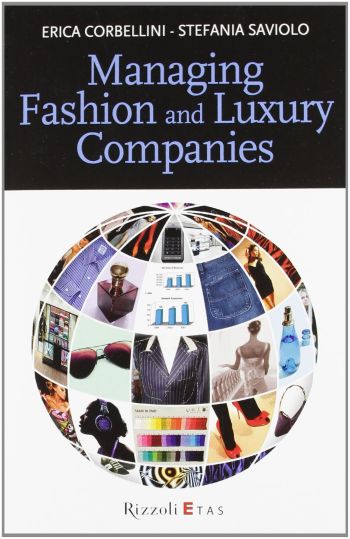
Managing Fashion and Luxury Companies – A Comprehensive Summary
Top 10 Key Learnings for Students/Professionals
- Integration is Essential: Fashion and luxury brands must integrate stylistic identity, retail identity, and communication identity to create consistent brand experience across all touchpoints. Fragmented approaches dilute brand equity.
- Heritage Provides Competitive Advantage: History becomes heritage through storytelling. Competitors can copy products but never authentic brand history. Invest in corporate archives, museums, and consistent narrative communication.
- Consumer Segmentation Requires Multiple Variables: Traditional demographics insufficient. Combine geographic, psychographic, and behavioral data. Modern consumers adopt multiple identities requiring flexible, mind-set based approaches rather than rigid lifestyle segmentation.
- Channel Strategy Impacts Brand Perception: Direct retail provides better market intelligence and control over brand experience but requires significant investment. Wholesale offers wider coverage but less control. Most successful brands use multichannel approach with careful format selection.
- Product Development Balances Creativity and Commerce: Fashion requires integrating designers’ aesthetic vision with managers’ commercial targets. Collection architecture must balance seasonal renewal (fashion items), continuity (carryovers), and heritage (iconic products).
- Geographic Markets Require Localization: Global brands need local strategies. China emphasizes visible luxury and status, India requires education about brand heritage, Europe values understated elegance. Adapt merchandising, retail formats, and communication while maintaining core identity.
- Business Model Determines Success: Fashion designers, luxury brands, premium brands, and fast retailers require different capabilities. Designers focus on creativity and image, luxury on heritage and quality control, premium on time-to-market and service, fast fashion on supply chain agility.
- Brand Extensions Need Strategic Discipline: Success requires consumer relevance and credibility, category innovation, core business nurturing, and appropriate business model. Avoid “me-too” extensions. Intangible brand associations enable more distant extensions than product-based brands.
- Licensing Evolved from Exploitation to Partnership: Modern licensing features long-term commitments (5-10 years), strict quality/distribution control, shared investments, and mutual learning. Select partners sharing brand values with complementary capabilities. Eyewear and fragrances typically licensed due to specialized requirements.
- Sustainability Through Specialization: As markets mature and competition intensifies, brands must refocus on core competencies and authentic differentiation. Future success requires beautiful, well-made, different products grounded in real quality, original style, and ethical production. Specialization answers globalization better than diversification.
Introduction
This book serves as a comprehensive handbook for managing key business processes in fashion and luxury companies within a radically evolving context. Written by Erica Corbellini and Stefania Saviolo from Bocconi University, it adopts a European perspective focusing on medium-sized firms managed by entrepreneurs or families. The text addresses how fashion and luxury are no longer single concepts but represent varieties of fashions and luxuries given ever-expanding yet simultaneously segmented markets. The book integrates management tools with real-life examples from the authors’ 15 years of experience, covering everything from brand positioning to distribution strategies.
PART ONE: Defining Fashion and Luxury
Chapter 1: Defining Fashion
Key Concepts:
- Fashion as Social Phenomenon: Fashion represents a system of meanings where style and aesthetics predominate over functional benefits. The way we dress communicates our social identity, occupation, rank, gender, and class affiliation.
- The Fashion Cycle: Products go through introduction, growth, maturity, and decline stages. The fashion cycle is much shorter than in other industries, ranging from weeks to seasons. It’s driven by both seasonal changes (Spring/Summer, Autumn/Winter) and the natural fashion adoption curve.
- Fast Fashion Revolution: Since the mid-1990s, there’s been a shift from fashion to style as personal expression. Fast fashion retailers like Zara and H&M offer latest styles six weeks after catwalk appearances at accessible prices, encouraging consumers to buy and replace items frequently.
- The Fashion Pipeline: Fashion is a cluster of interconnected industries from raw materials (fibers) through manufacturing (textiles, clothing) to distribution. Italy’s competitive advantage stems from controlling the entire textile/leather pipeline with high innovation and flexibility through specialized industrial districts.
Main Points:
- Fashion is distinguished from style – fashion is trendy and forward-looking, while style is conservative and traditional
- The seasonal collection concept originated from French haute couture and has now spread across all fashion segments
- Three product lifecycle types exist: fad (short-lived), fashion (seasonal), and basic (long-lasting)
- Consumer adoption follows a pattern: innovators → opinion leaders → masses → late adopters → laggards
- The fashion pipeline includes fibers, yarns, fabrics, end-uses, and distribution, supported by machinery and services industries
Chapter 2: Defining Luxury
Key Concepts:
- Multidimensional Definition: Luxury encompasses high quality, high price, scarcity, aesthetic value, and heritage. However, definitions vary significantly across cultures, age groups, and between emerging and mature markets.
- Evolution of Luxury: Historically associated with public splendor and conspicuous consumption, luxury has evolved toward individual pleasure and self-expression in developed markets. In emerging markets, status projection remains the primary driver.
- Luxury Brand Experience: A luxury brand is defined as a “coherent system of excellence” combining powerful imaginary, high price, originality/creativity, superior quality, selective distribution, and elite advertising.
- Luxury vs. Fashion: While fashion is about change and seasonality, luxury concerns timelessness and exclusivity. However, boundaries blur as luxury brands enter fashion apparel and fashion brands move into luxury accessories.
Main Points:
- Luxury segments include accessories, apparel, perfumes/cosmetics, jewelry/watches, and increasingly services and experiences
- The concept of “new luxury” encompasses exclusive services, luxury retail, real estate, and hospitality
- Supreme luxury, luxury, and accessible luxury form a pyramid with different positioning strategies
- Heritage, place, people, legendary stories, and iconic products constitute luxury brand DNA
- Luxury brands must balance permanence (timeless codes) with fashion (transformation of codes)
PART TWO: Country Models
Chapter 3: Country Models
Key Concepts:
- The French Model: From haute couture to luxury conglomerates. Paris established fashion leadership through institutional support, designer-tailors, and luxury goods houses. The model evolved from individual couturiers (Worth, Chanel, Dior) to powerful conglomerates (LVMH, Richemont).
- The American Model: From workwear to vertically integrated chains. The US democratized fashion through mass production, creating ready-to-wear for broad markets. American designers excelled at marketing, creating lifestyle brands (Ralph Lauren, Calvin Klein) rather than haute couture.
- The Italian Model: From designers to vertical integration. Italy’s success stemmed from partnerships between creative designers and manufacturing excellence, supported by specialized industrial districts. The model evolved from licensing agreements to vertical integration of production and retail.
- The Asian Model: From outsourcing hub to integrated networks. The “flying geese” pattern shows technology transfer from leader countries (Japan, Hong Kong, Taiwan, South Korea) to followers (China, Thailand, Vietnam), creating regional production networks.
Main Points:
- Country branding based on history, culture, and values significantly impacts consumer perception
- France maintained luxury leadership through institutional protection and cultural capital
- America pioneered mass production, specialty chains, and marketing-driven fashion
- Italy built competitive advantage through designer-manufacturer partnerships and textile excellence
- Asian countries evolved from production bases to sophisticated manufacturers with emerging luxury consumption markets
Chapter 4: India Strategy for Fashion and Luxury Brands
Key Concepts:
- Market Complexity: India represents contradictions – young democracy, massive population, extreme wealth disparities, and diverse regional cultures. Only 28% urban population but concentrated luxury consumption in major cities.
- Nascent Luxury Market: International brands entered post-1991 liberalization. The market is characterized by low brand awareness, infrastructure challenges, and high import duties (averaging 33%).
- Consumer Segmentation: Three distinct groups – nouveau riche (ostentatious), luxury connoisseurs (discreet, educated abroad), and aspirational middle class. Men buy more luxury than women initially, with preferences for visible status symbols.
- Brand Building Challenges: Success requires adapting to local tastes (color preferences, climate considerations), developing appropriate retail formats, and investing in consumer education about luxury values and heritage.
Main Points:
- Location is the primary driver for visibility due to limited magazine reach
- Heritage communication through exhibitions and cultural events builds legitimacy
- VIP management and celebrity endorsements are crucial for dream building
- Product adaptation needed for climate (three seasons vs. four) and cultural preferences
- Long-term commitment essential – Indian consumers need time to understand brand heritage
- Retail confined to hotel arcades until recent regulatory changes allowing 51% foreign ownership in monobrands
Chapter 5: China Strategy for Fashion and Luxury Brands
Key Concepts:
- Market Characteristics: China represents the world’s largest clothing manufacturing base and fastest-growing luxury market. Consumer culture emphasizes “bling factor” – publicly visible luxury for status projection.
- Consumer Behavior: Chinese luxury consumers are brand-conscious but have low awareness of brand differences. They prefer “Made in West” appeal, bold branded accessories, and products identical to those in Paris/Milan rather than localized versions.
- Brand Building Principles: Success requires building awareness through prime locations, communicating heritage through cultural exhibitions, creating brand experience through elaborate retail, controlling shop portfolio development, and profiling clients through CRM.
- Market Evolution: From conspicuous consumption toward more sophisticated appreciation. Early adopters focus on status; mature consumers seek quality, craftsmanship, and personal pleasure. Retail shifting from agency/distributor model to direct operation.
Main Points:
- Visibility must be extensive and impressive – flagship locations signal prestige
- Cultural exhibitions (Louis Vuitton touring exhibition attracted 45,500 people) establish noble brand identity
- Retail experience should reflect lifestyle, not just display products
- Balance needed between tier-one cities (image building) and tier-two cities (profitability)
- CRM systems measure retail performance and enable customized marketing
- Market requires patience – brands need decades to achieve profitability while building awareness
PART THREE: Industry Segments, Business Models and Drivers for Consumption
Chapter 6: Industry Segmentation
Key Concepts:
- Segmentation Criteria: Fashion industry segments by product end-uses (external clothing, underwear, beachwear), client groups (trade channels, end consumers), and price ranges (couture, ready-to-wear, diffusion, bridge, mass).
- Price Segmentation: Five levels exist – couture (highest, custom-made), ready-to-wear (3-5x market average), diffusion (2-3x average), bridge (1.5-2x average), and mass (below average). Each has distinct business logics and success factors.
- The Luxury Pyramid: Supreme luxury (ultra-exclusive), contemporary luxury (major brands), and accessible luxury (entry-level products from luxury brands or premium brands in young segments).
- Masstige Phenomenon: Mass products adopting luxury marketing strategies (entry lux, populux, commodity chic). Brands like H&M partnering with designers (Karl Lagerfeld) blur traditional boundaries.
Main Points:
- Menswear characterized by limited differentiation, lower margins, volume strategies
- Womenswear highly fragmented, fashion-driven, with high profitability potential
- Diffusion lines (second/third lines) evolved from affordable versions to autonomous brands with distinct identities
- Bridge segment squeezed between aggressive mass retailers upgrading and high-end trading down
- Concept of “supreme luxury” emerged as response to democratization of accessible luxury
- Mix and match, rocketing, and fractional ownership represent new consumption patterns
Chapter 7: Business Models
Key Concepts:
- Four Core Models: Fashion designers (Armani, Versace) focus on seasonal creativity and image; luxury brands (Hermès, Cartier) emphasize timelessness and heritage; premium brands (Diesel, Miss Sixty) prioritize price/quality ratio and service; fast vertical retailers (Zara, H&M) offer quick fashion response.
- Fashion Designers: Product-oriented, originally supported by licensing partners, increasingly vertically integrated in core business. Multiple line extensions (Giorgio Armani, Emporio Armani, Armani Exchange) segment market.
- Luxury Brands: Heritage-focused, vertically integrated, strict quality control. Brand extensions across product categories rather than line extensions. Distribution exclusively through owned/controlled channels.
- Conglomerate Strategy: Multibrand groups (LVMH, Gucci Group) offer advantages in capital access, management quality, supplier leverage, and global distribution. However, challenges include excessive retail costs, standardized stores, difficulty managing creative talent, and potential brand dilution.
Main Points:
- Business models defined by value proposition, target segments, distribution channels, and value chain organization
- Fashion designers maintain creative control while increasingly verticalizing production and retail
- Luxury brands never compromise on quality; control every value chain step
- Premium brands excel in time-to-market through flexible supply chains and wholesale/retail mix
- Fast fashion based on quick response (2-week lead time), flow delivery, and vertical integration
- Conglomerate success depends on replicating success stories while preserving individual brand identity
Chapter 8: Consumer Segmentation
Key Concepts:
- Segmentation Approaches: Descriptive (geographic, demographic) versus behavioral (purchasing behavior, lifestyle, benefits sought). Fashion requires combination of multiple variables for effective targeting.
- Generational Marketing: Pre-teens, Teens/Net Generation (1981-2000), Generation Flex/X (1965-1980), Boomers (1945-1964), New Seniors (<1945). Each generation has distinct values, consumption patterns, and media preferences.
- Luxury Consumption Drivers: Conspicuous consumption (status projection), selective extravagance (rocketing – trading up and down), fractional ownership (sharing/renting), self-treating (personal pleasure), early adopter (innovation seeking), conspicuous austerity (ethical spending), omnivore-univore (eclecticism vs. limited taste).
- Customer-Oriented Culture: CRM essential for profiling, targeting, and building loyalty. Integration of objective data (purchase history) with subjective behavior (satisfaction levels) enables personalized marketing.
Main Points:
- Traditional demographic segmentation insufficient; must combine with psychographics and behavioral data
- Fashion victims (trend-conscious youth) differ from affluent consumers (status-seeking) and value-oriented (quality-focused)
- Mind-set segmentation replacing lifestyle as consumers adopt multiple identities
- New Seniors represent underserved market with time, purchasing power, and willingness to experiment
- From hetero-referential (social distinction) to self-referential (personal pleasure) luxury consumption
- Modern individuality is flexible and multidimensional, requiring market construction approach rather than rigid segmentation
PART FOUR: Brand Management
Chapter 9: Branding as Positioning
Key Concepts:
- Brand Equity Definition: Three perspectives – financial value (for M&A purposes), potential for extensions (future growth), and consumer-based (knowledge and associations). Fashion/luxury focus on consumer perspective.
- Brand Knowledge Model: Two components – brand awareness (recall and recognition) and brand image (favorability, strength, uniqueness of associations). Strong knowledge creates accessible memory structures that influence purchase decisions.
- Identity vs. Image: Brand identity is the promise the company makes (what brand stands for); brand image is consumer perception (what consumers think). Gap between identity and image indicates communication problems.
- Brand Identity Model: Four main elements – heritage (place, people, legend, iconic products), stylistic identity (aesthetic codes), retail identity (store concept), and communication identity (image representation). Integration across all touchpoints creates consistent brand experience.
Main Points:
- Brand equity most important corporate asset in fashion/luxury industries
- Creating mental structures and organizing consumer knowledge fundamental to building equity
- Brand identity must have rational/functional support plus emotional content
- Internal consistency (identity elements aligned) and external relevance (market evolution) both essential
- Fashion brands communicate through visual language – images speak louder than words
- Successful brands balance tradition with contemporary relevance, never becoming stale
Chapter 10: Brand Heritage and Storytelling
Key Concepts:
- Heritage Components: Four building blocks – place (geographic origin), people (founder/family/designer), brand legend (story told over time), and products (iconic items, proprietary techniques). Heritage transforms history into mythology.
- Leveraging Heritage: Creating authentic vocabulary, imagery, and emotional memory. Corporate museums (Ferragamo museum with 100,000 models) and digital archives make heritage accessible to stakeholders.
- Storytelling Power: Great brand stories stem from reason brand exists, not invented narratives. Hermès as “messenger of dreams,” Vuitton’s “art of travel,” Ferragamo’s “shoemaker of dreams” create powerful narratives.
- Heritage vs. History: Not all companies with long history have heritage. Heritage requires charming story creation, emotional connection, and consistent communication across generations.
Main Points:
- Competitors can imitate products but never history
- Heritage provides legitimacy and differentiates in crowded markets
- Annual themes (Hermès approach) keep heritage fresh while maintaining consistency
- Corporate archives increasingly important for design inspiration and brand communication
- Heritage builds trust – consumers believe in companies with rich tradition
- Iconic products (Hermès Kelly, Chanel suit, Burberry trench) embody brand codes and generate ongoing revenue
Chapter 11: Stylistic Identity and Product Development
Key Concepts:
- Stylistic Identity: Permanent aesthetic elements (logo, colors, fabrics, patterns, details, lines, shapes) distinguishing brand from competitors. Must evolve without distorting brand DNA. Examples: Armani’s neutral palette, Versace’s baroque Mediterranean style, Prada’s minimalism.
- Collection Architecture: Balance between seasonal renewal and continuity. Components include carryovers (repeated items), seasonal fashion (new trends), basics (timeless pieces), and iconic products (heritage items). Mix varies by brand positioning.
- Product Development Process: Integration of creative process (designers scouting trends) and commercial process (managers defining targets). Steps include collection guidelines, merchandising plan, execution, and presentation.
- Trend Sources: Four main inputs – socio-cultural trends (long-term movements), technology (fiber/fabric innovation), textile pipeline (bureaux de style, fairs), and internal research (market analysis, designer inspiration).
Main Points:
- Make-to-order (produce after orders) versus make-to-stock (produce based on forecasts) represent different business logics
- Collection plan defines SKUs, price positioning, target margins, and delivery timing
- Lead time from design to delivery approximately 9 months; fashion shows occur 6 months before season
- Pre-collections, flash collections, and flow delivery supplement main seasonal offerings
- Color trends follow 5-7 year cycles; classic colors (blue, beige, grey) always sell
- Innovation rare in fashion – most design involves rediscovering and recycling past styles with contemporary interpretation
Chapter 12: Retail Identity and Distribution
Key Concepts:
- Distribution Strategy: Selection of channels (direct retail vs. indirect wholesale) and formats (flagship, stand-alone store, shop-in-shop, corner, wall unit, open sale). Direct channel provides better market information; indirect offers wider coverage.
- Retail Identity: Integrated system of space planning, merchandising, design, and visual communication. Creates consistent image across all formats and locations. Retail architecture increasingly important as brands use stores for communication.
- Sales Process: For make-to-order, includes budgeting, collection presentation, order acquisition, and service management. Timing critical – sales campaign typically 2-6 weeks, requiring accurate projections for material sourcing.
- Service Identity: Human touch differentiates luxury from mass. Excellence, ethics, passion required. Training essential – sales staff must understand products, brand heritage, and service standards. Mystery shopping monitors consistency.
Main Points:
- Retail formats range from 5,000 sqm flagships to corners within department stores
- Location most important for visibility in markets with limited magazine reach
- Conversion rate (sales/visitors) more important than traffic alone
- Space productivity measured by sales per square foot of selling space
- CRM integration between physical stores and websites remains challenging
- Internet and travel retail represent fast-growing transnational channels
- Partnership corners balance brand identity expression with retailer’s established clientele
Chapter 13: Image Identity and Communication
Key Concepts:
- Communication Objectives: Three levels – brand awareness (recognition), brand image (values association), and reputation (corporate perception by all stakeholders). Different tools target different objectives.
- Fashion Communication Language: Image predominates over text, centralized control by designer/art director ensures consistency, Public Relations more important than advertising for qualification. Fashion communicates through visual codes understood universally.
- Communication System: Complex network of professionals – designer/art director (vision), stylist (interpretation), photographer (execution), models (embodiment), fashion editors (media gatekeepers). Internal control ensures consistency.
- Public Relations Strategy: Managing press office, events, celebrity dressing, sponsorships. Press coverage more credible than advertising. VIP management and red carpet appearances generate earned media. Quality of coverage matters more than quantity.
Main Points:
- Communication investment averages 5-12% of turnover in fashion/luxury
- Fashion companies maintain direct control over campaigns unlike mass market brands delegating to agencies
- Fashion shows generate media attention but ROI not guaranteed for brands without substantial budgets
- Celebrity testimonials must embody brand values credibly, not just contractual relationships
- New media (blogs, social networks, user-generated content) changing communication landscape
- Traditional and digital media must be integrated; currently often separate organizational divisions
Chapter 14: Brand Extension and Licensing
Key Concepts:
- Extension Types: Line extension (same category, different target/channel/price) versus brand extension (new product category). Strategic extensions (long-term diversification) versus complementary extensions (lifestyle completion).
- Success Factors: Consumer perspective (relevance and credibility), category innovation (unique vision), core business nurturing (avoiding neglect), and appropriate business model (internal capabilities or licensing).
- Licensing Agreement: Trademark owner (licensor) grants partner (licensee) permission to use name/design for specific categories, territories, and time periods. Royalties typically percentage of wholesale revenues plus advertising fee.
- Extension Evolution: From opportunistic exploitation (Pierre Cardin’s 500 licenses) to strategic partnerships. Modern licensing features longer duration (5-10 years), strict distribution control, high know-how exchange, and shared investments.
Main Points:
- Intangible brand associations enable more distant category extensions than product-level associations
- Innovation in extended category essential – “me-too” strategies rarely profitable
- Neglecting core business while extending represents major risk
- Eyewear and fragrances typically licensed due to specialized capabilities required
- Licensing provides growth with minimal investment but risks brand dilution if poorly managed
- Joint ventures increasingly replacing pure licensing for greater control and alignment
- Small/emerging designers still rely on manufacturing licensing; established brands use licensing primarily for distant categories
Conclusions
The book concludes that fashion and luxury face dual challenges: maintaining creativity and exclusivity while achieving growth and profitability. Current trends show increasing complexity – coexistence of very exclusive and accessible products, expert consumers and nouveau riche, mature and emerging markets. Companies have evolved from fashion houses to vertically integrated conglomerates, from manufacturers to retailers, from specialized brands to lifestyle brands.
However, concerning signs include: apparel trivialization in mature markets, deceleration of innovation in core business, disengagement from founder/designer vision, unsustainable retail expansion, and rising cost multipliers that reduce product quality investment. The future requires refocusing on beautiful, well-made, different products. Specialization represents an answer to globalization and standardization. Pipeline certification addresses growing ethical concerns. Fashion and luxury must return to their essence – creating beauty through quality, original style, and ethical foundations.